You Will Never Walk Alone OCT. 15 - NOV. 6, 2021 @ GOSWELL ROAD, PARIS
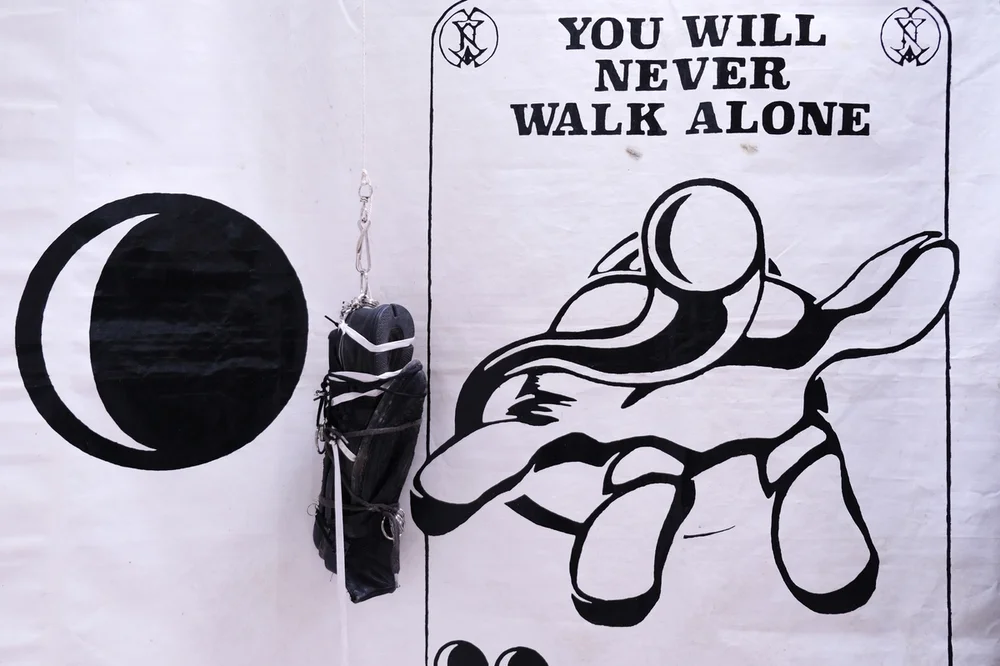
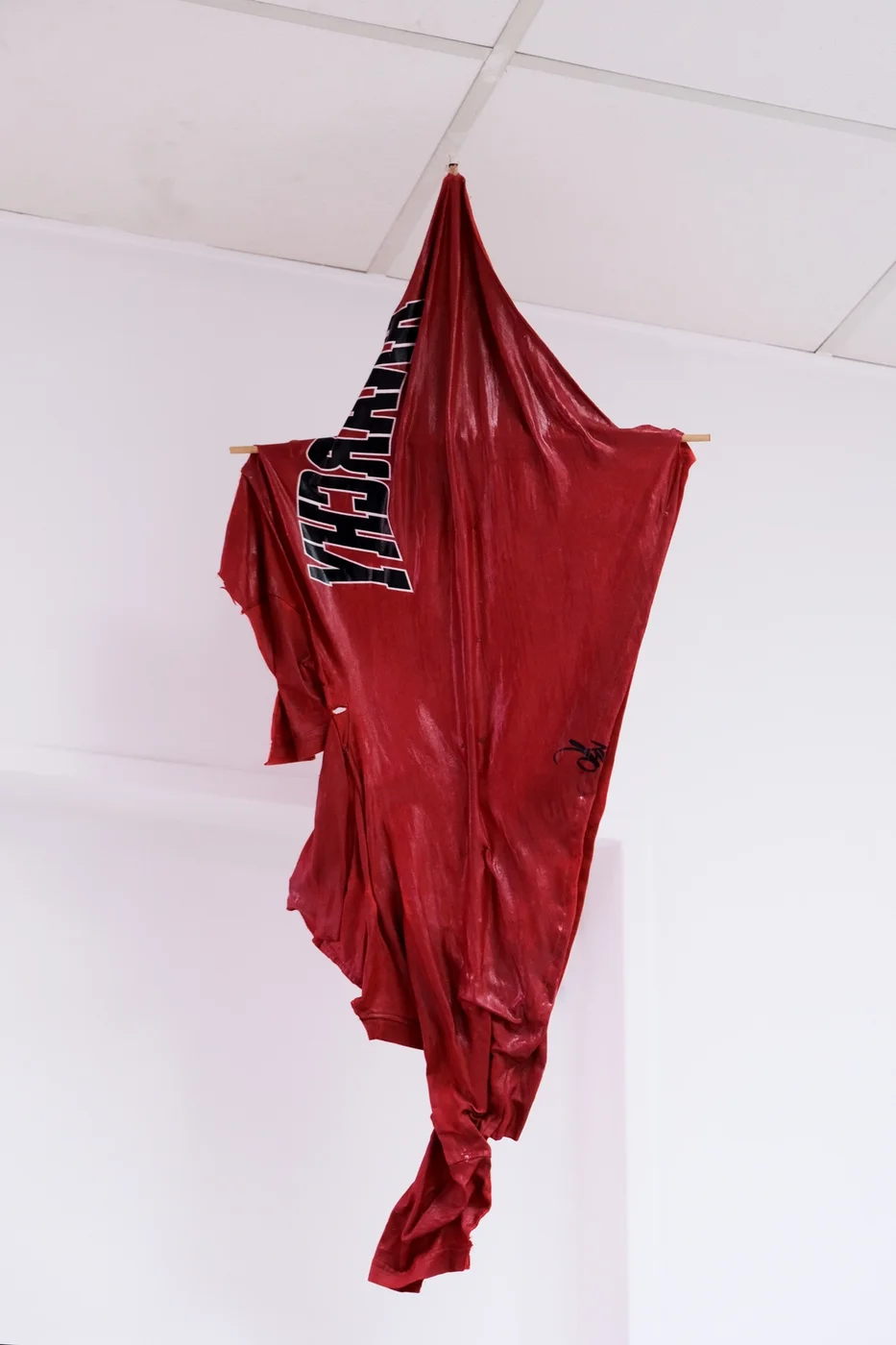
You Will Never Walk Alone is Cécile di Giovanni’s first solo exhibition in Paris, presented at Goswell Road from October 15 to November 6, 2021. The exhibition brought together sculptures, installations, and a staged environment that blended personal iconography with references to childhood, fantasy culture, and emotional rupture.
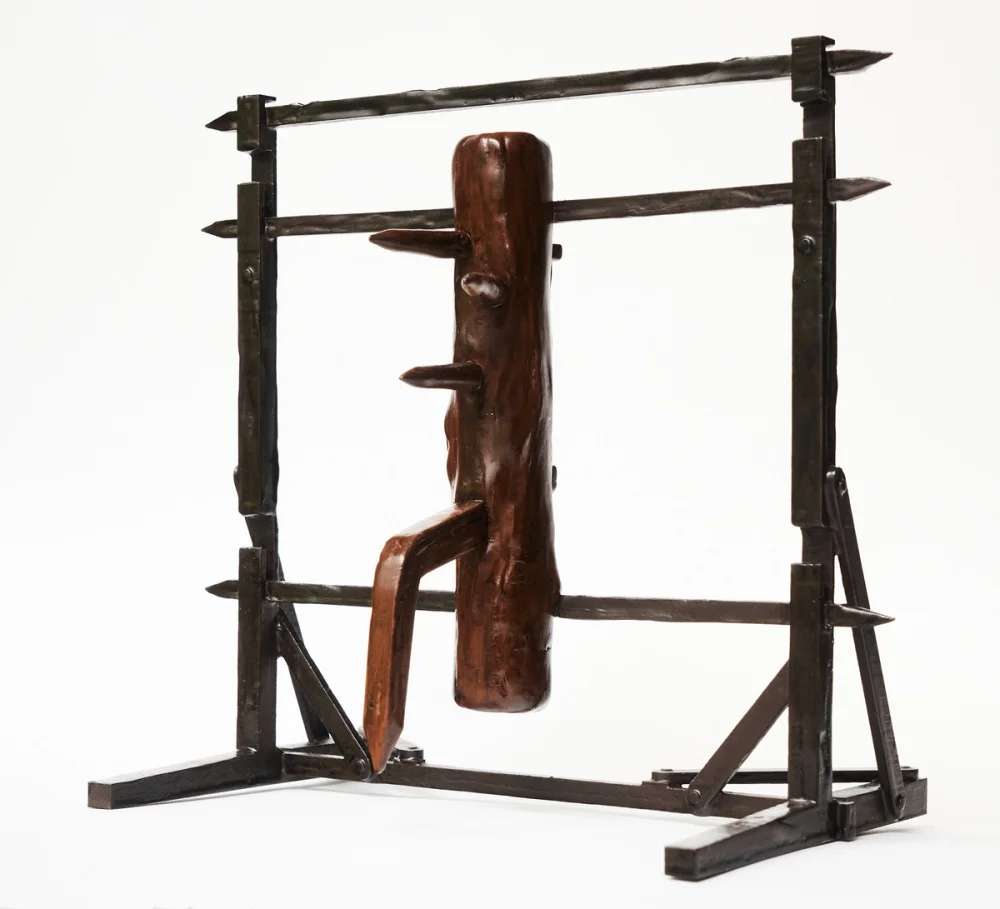
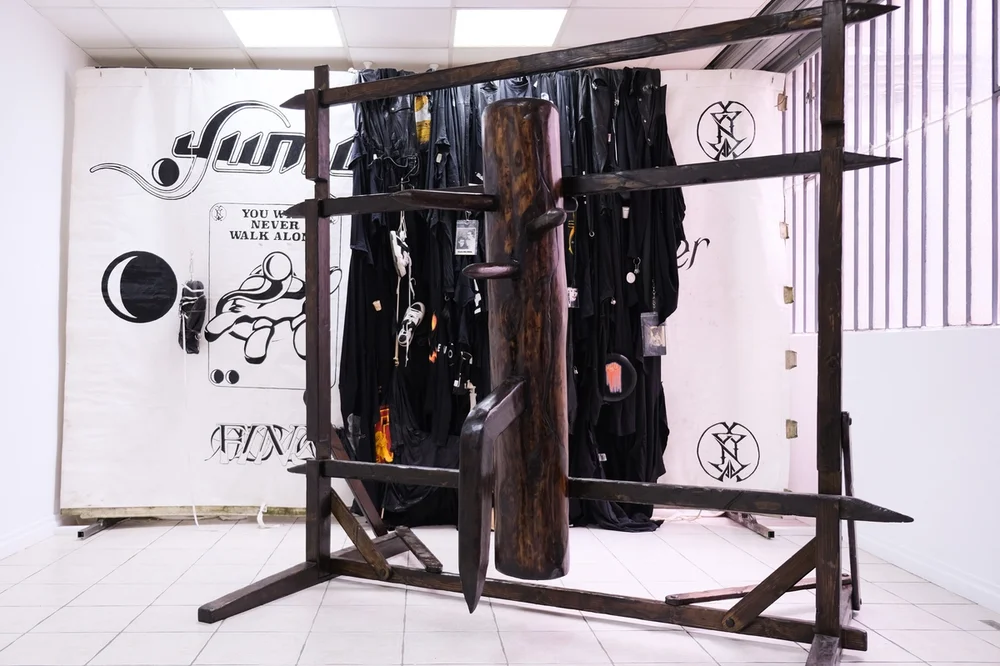
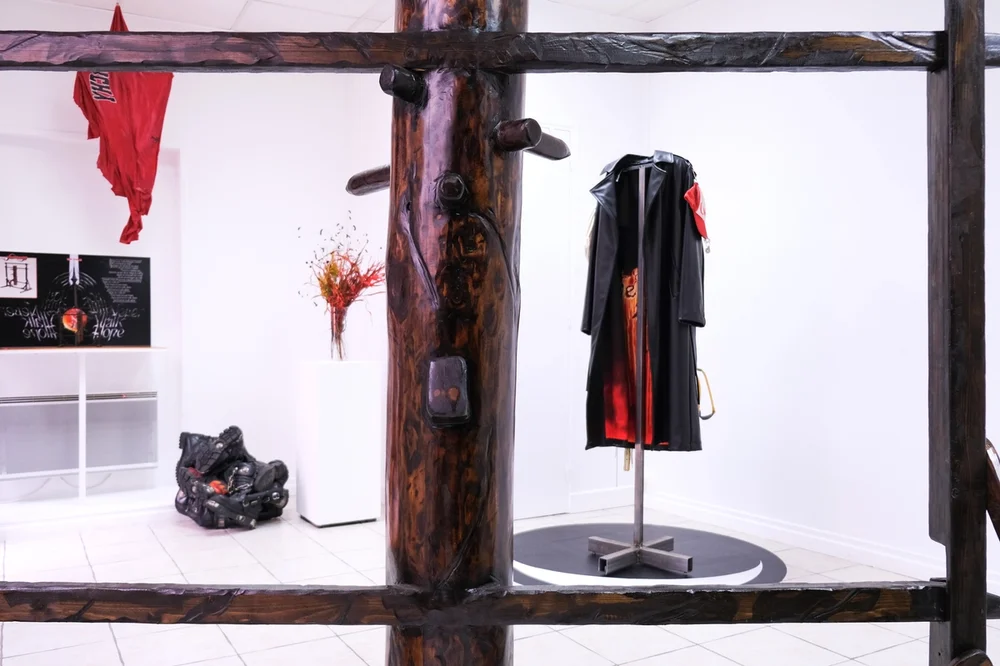
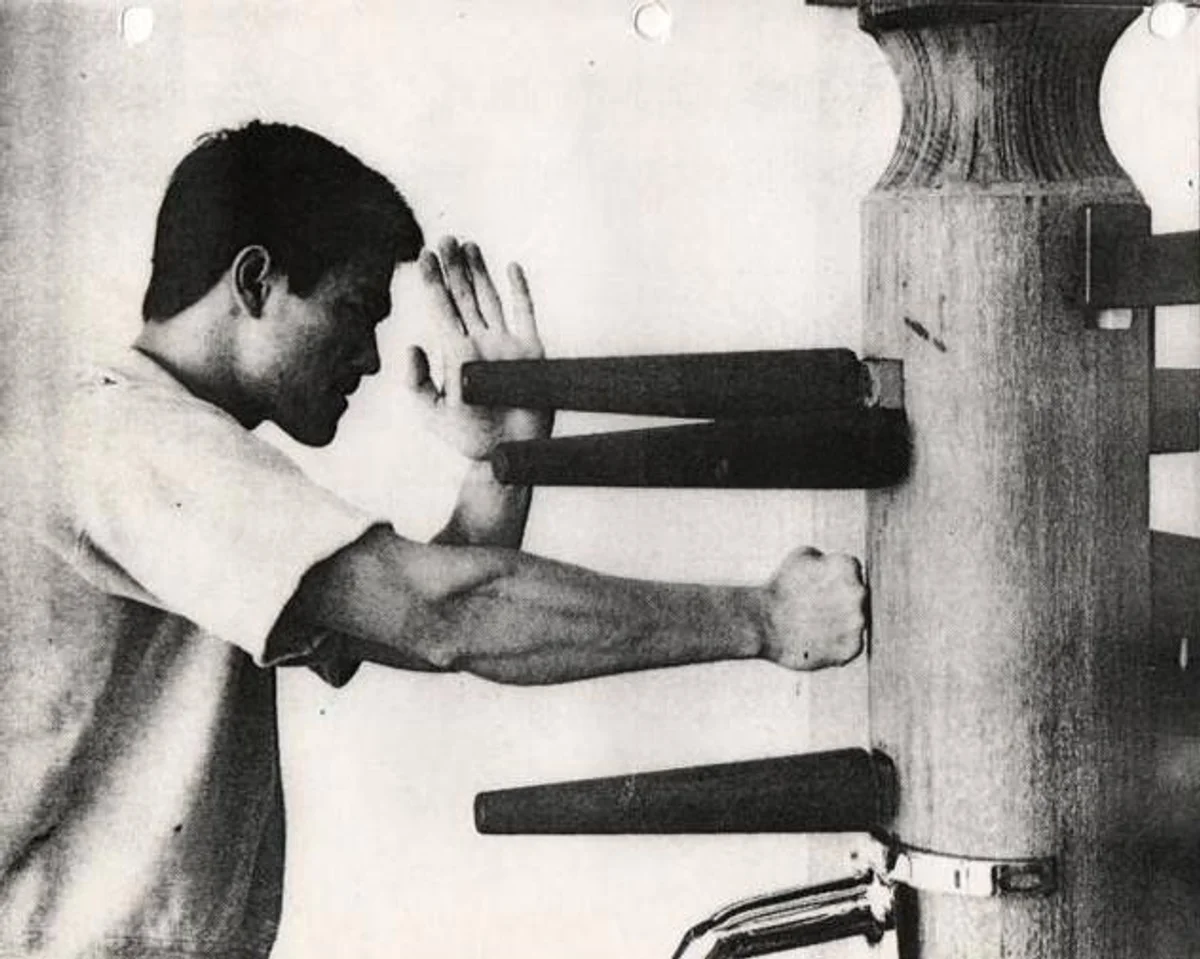
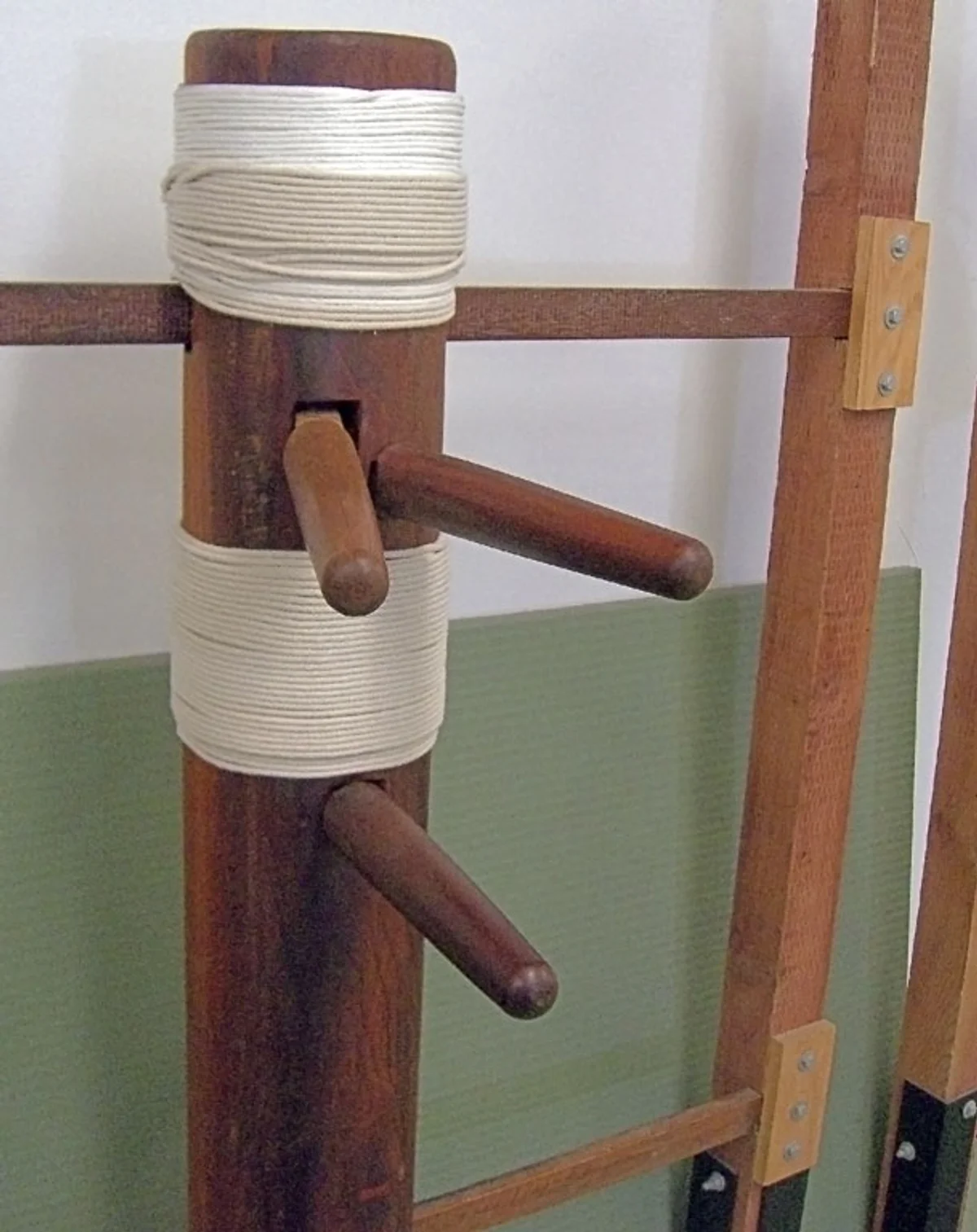
The sculptural work ‘YWNWA Totem’ (2021), based on a mu ren zhuang (Chinese: ⽊⼈樁) which translated means “wooden man post”, stands as an ambient threat in the centre of the space. The works around it arm, protect, and modify our bodies. Inspired by real and fictional situations, Giovanni tries, not without irony, to reveal through the symbolic strength that these objects and materials induce, the power, the complexity, and the sides of the human mind when it is backed into its more extreme corners.
You Will Never Walk Alone explores how childhood narratives (both tender and violent) shape emotional resilience and personal mythology. By merging fantasy codes with intimate memory, the exhibition examines the moment when a world collapses and must be rebuilt through fiction. The work reflects on how individuals construct new identities by extending their bodies into imagined spaces, much like video-game avatars or role-playing characters. The exhibition becomes a terrain where endings, fear, and reinvention coexist, offering a space for both vulnerability and empowerment.
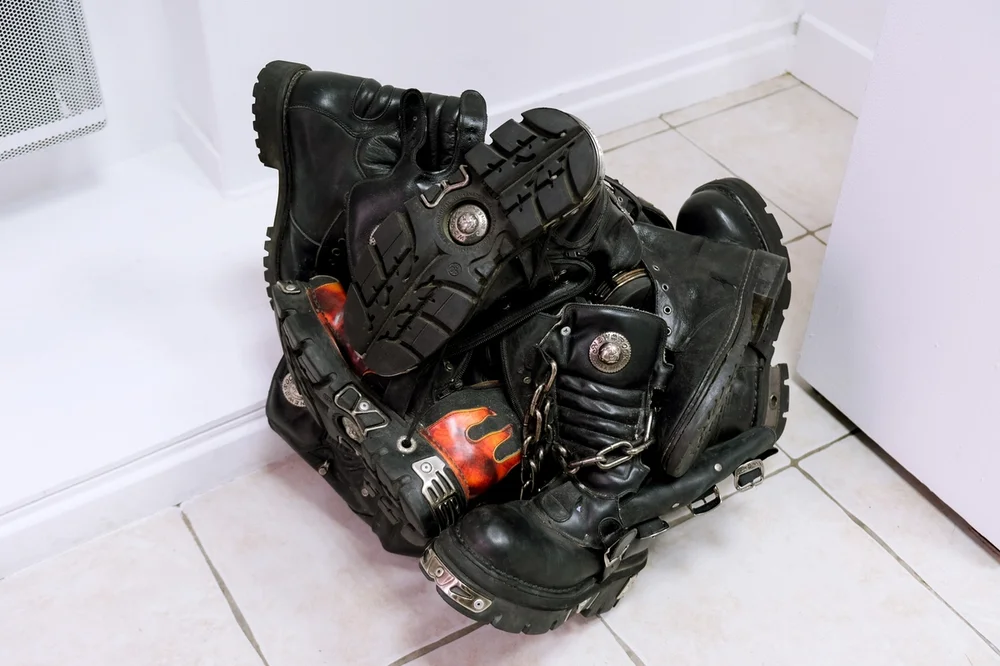
The exhibition was designed as a symbolic interior, a hybrid landscape borrowing from martial arts aesthetics, pop culture, role-playing games, and childhood imagination. Visitors navigated through oversized props, protective objects, and sculptural forms that evoked armor, talismans, or transitional objects.
Show Dates:
October 15 - November 6, 2021
Opening Hours:
Thursday to Saturday, 2:00 - 6:00 PM & by appointment
Address:
Goswell Road, 22 rue de l'Échiquier, 75010 Paris
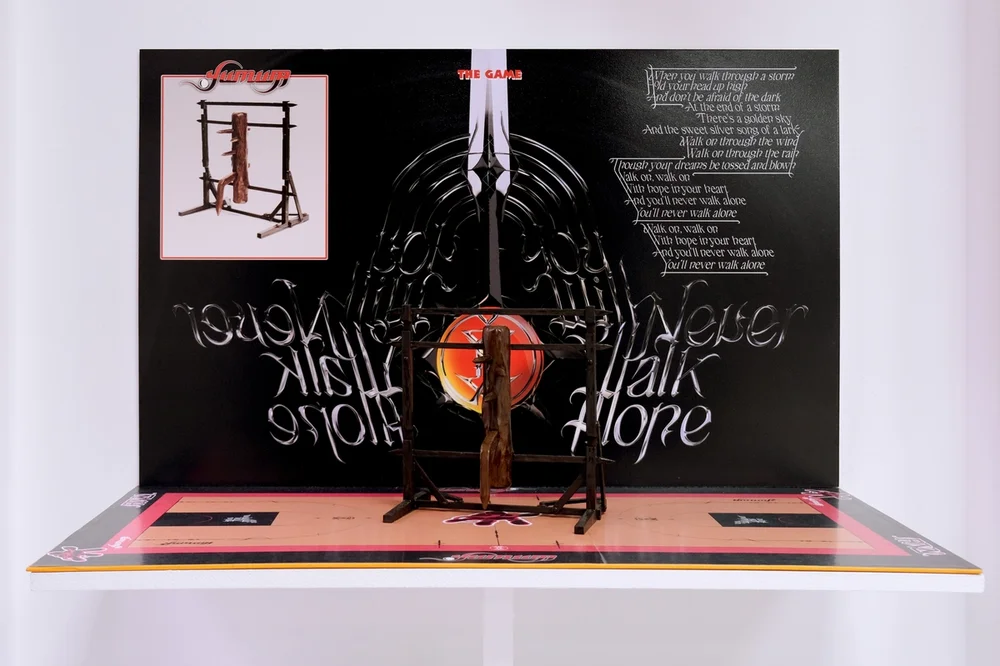
With installations that variously evoke martials arts, pop culture, fetish and football, the show turns the space into an oversized board game for the gallery visitor to negociate. As noted in the press release: "Childhood, its ruptures, nostalgia, and innocence give way to the inevitable violence of things coming to an end."
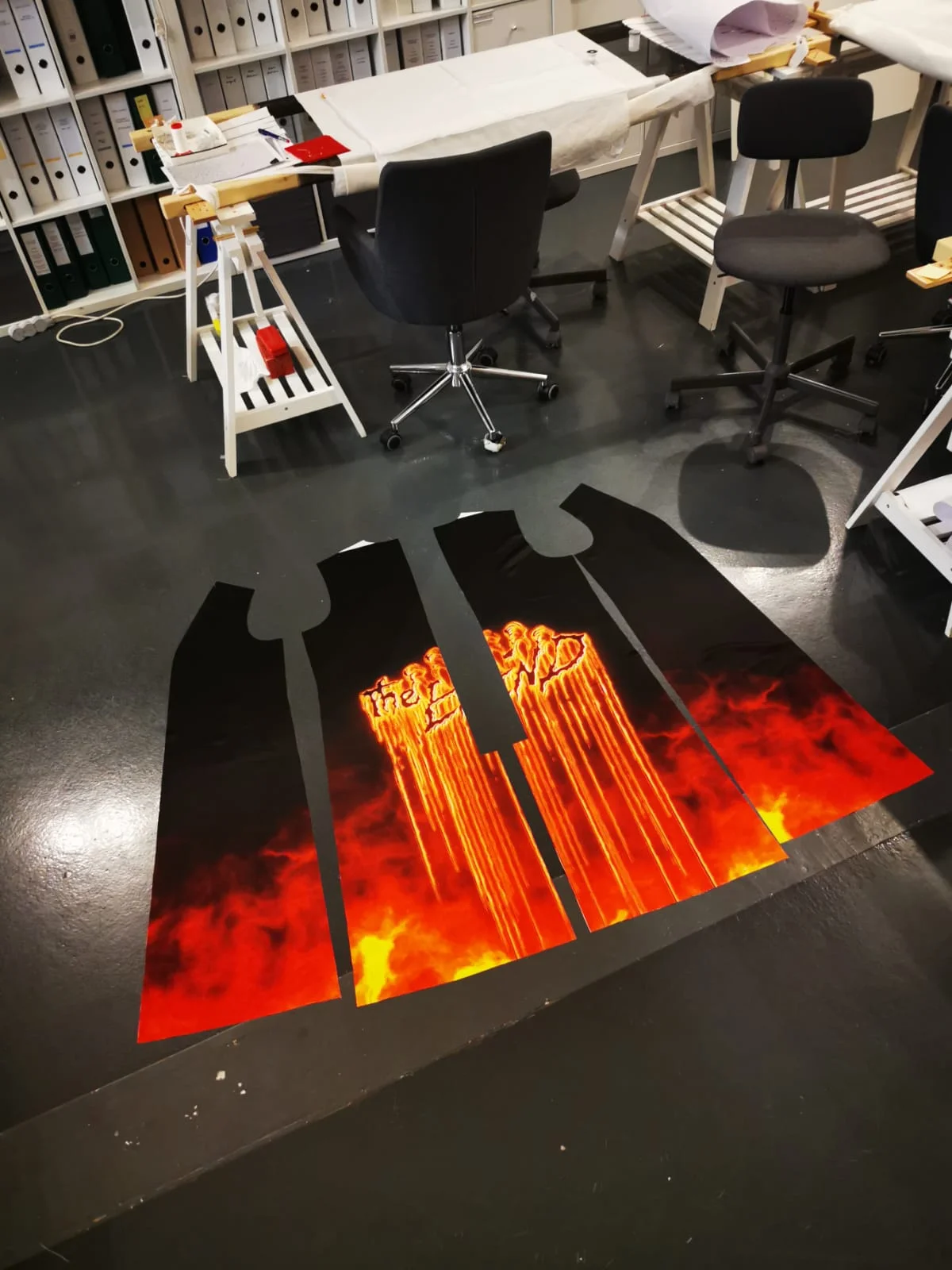
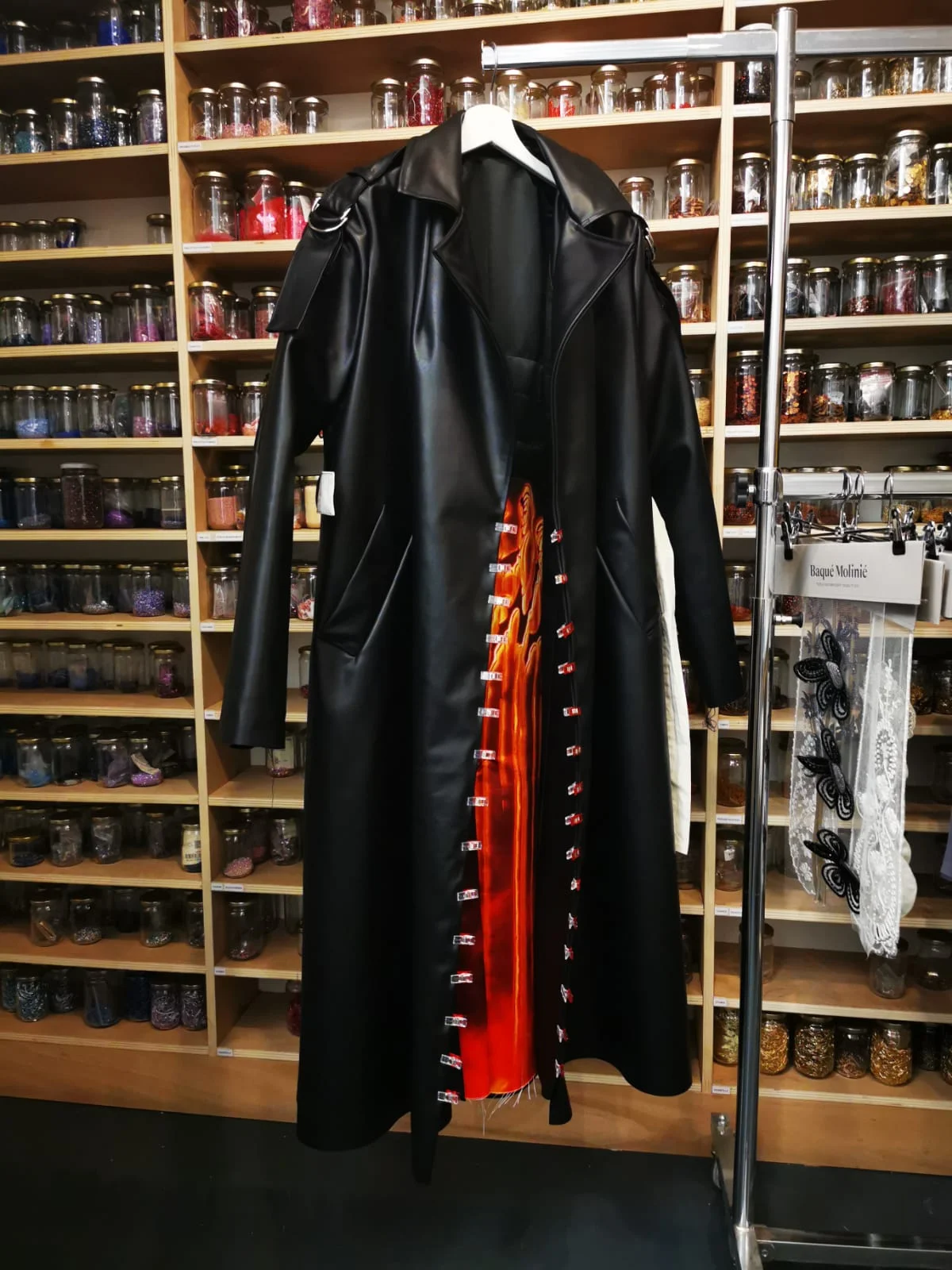
The End Coat
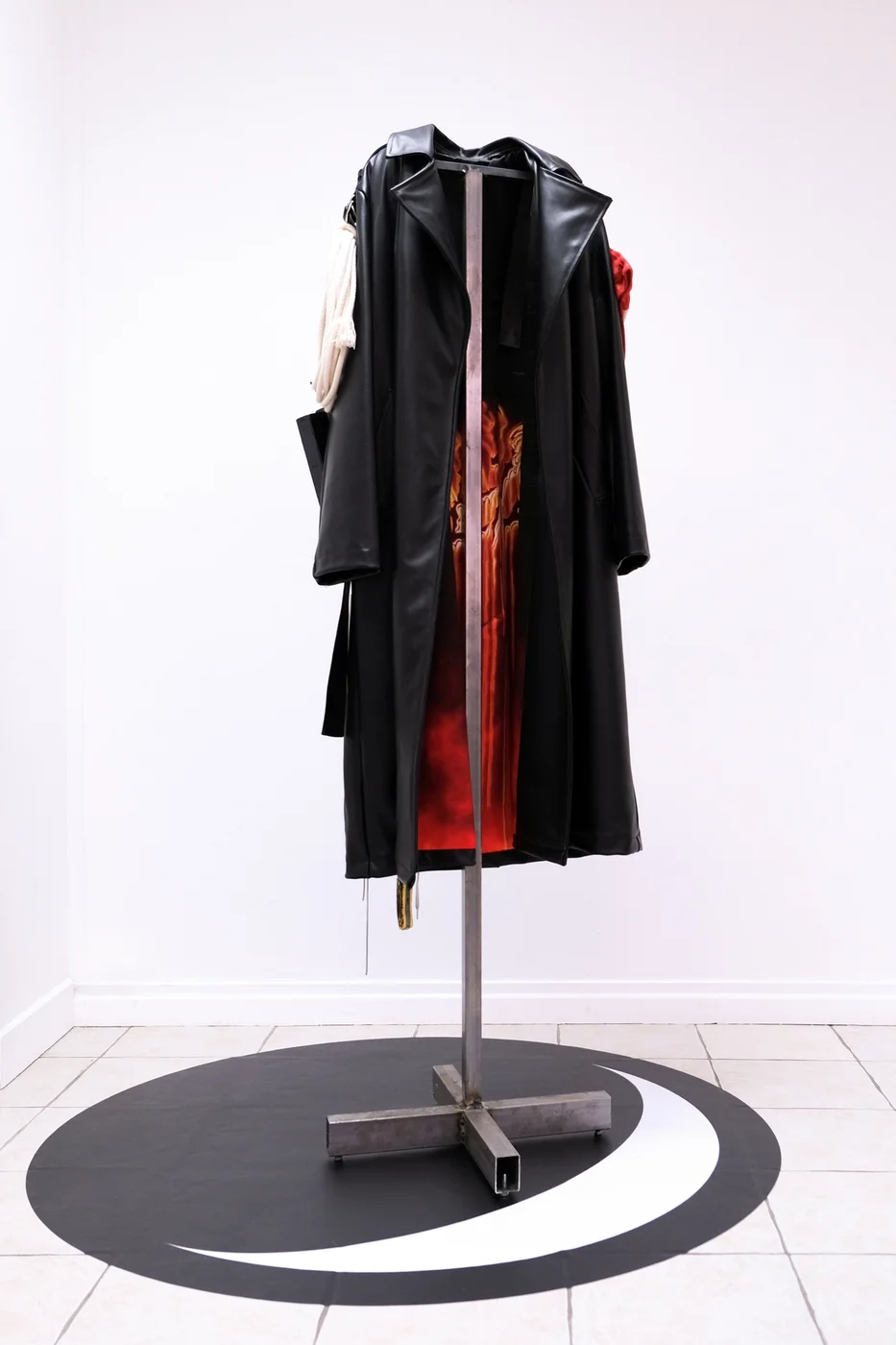
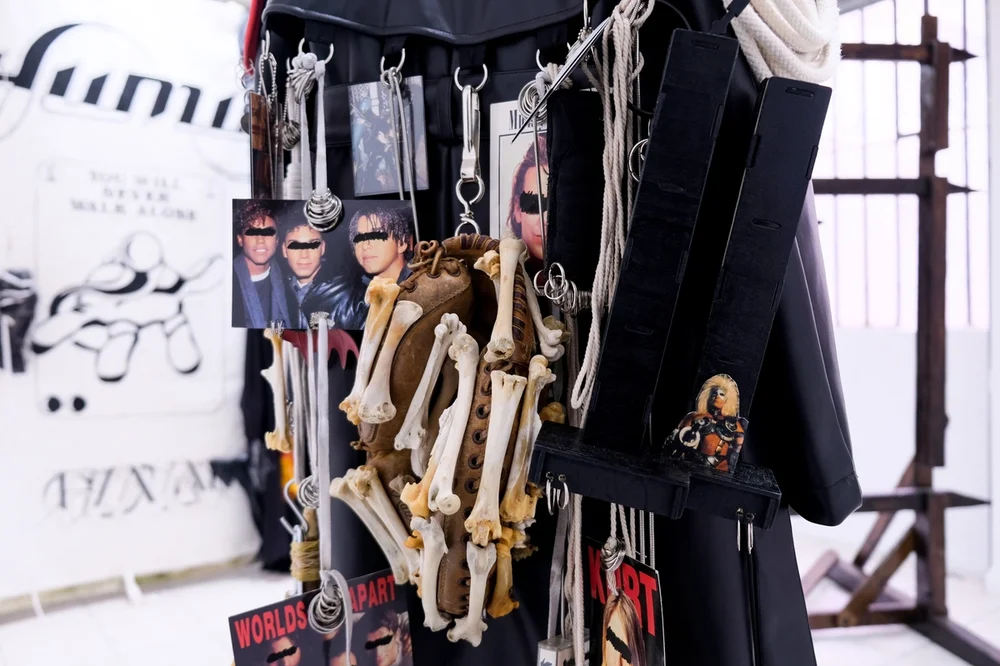
(...) Reinventing a world also means extending one’s physical body into a new fictional space, one with new abilities and possibilities, much like what video games and role-playing offer. The End Coat, for instance, an object once inanimate, now shaped by the posture of its wearer, becomes the perfect armor. It allows the hero to inhabit a super-body: a solid, resistant shell, forged from the weight of their existence and the trials they’ve endured.
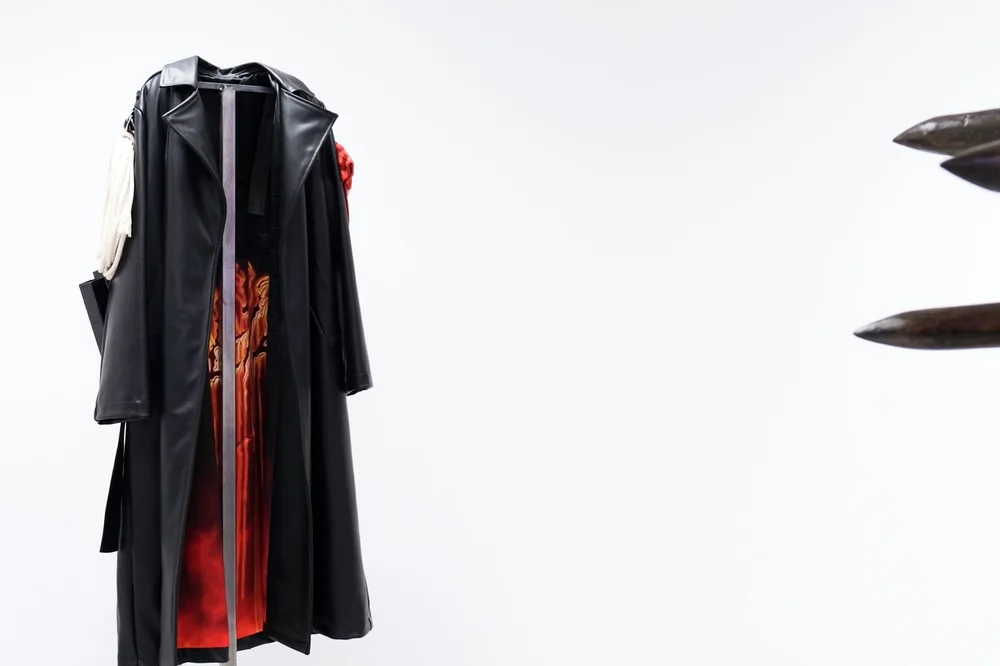
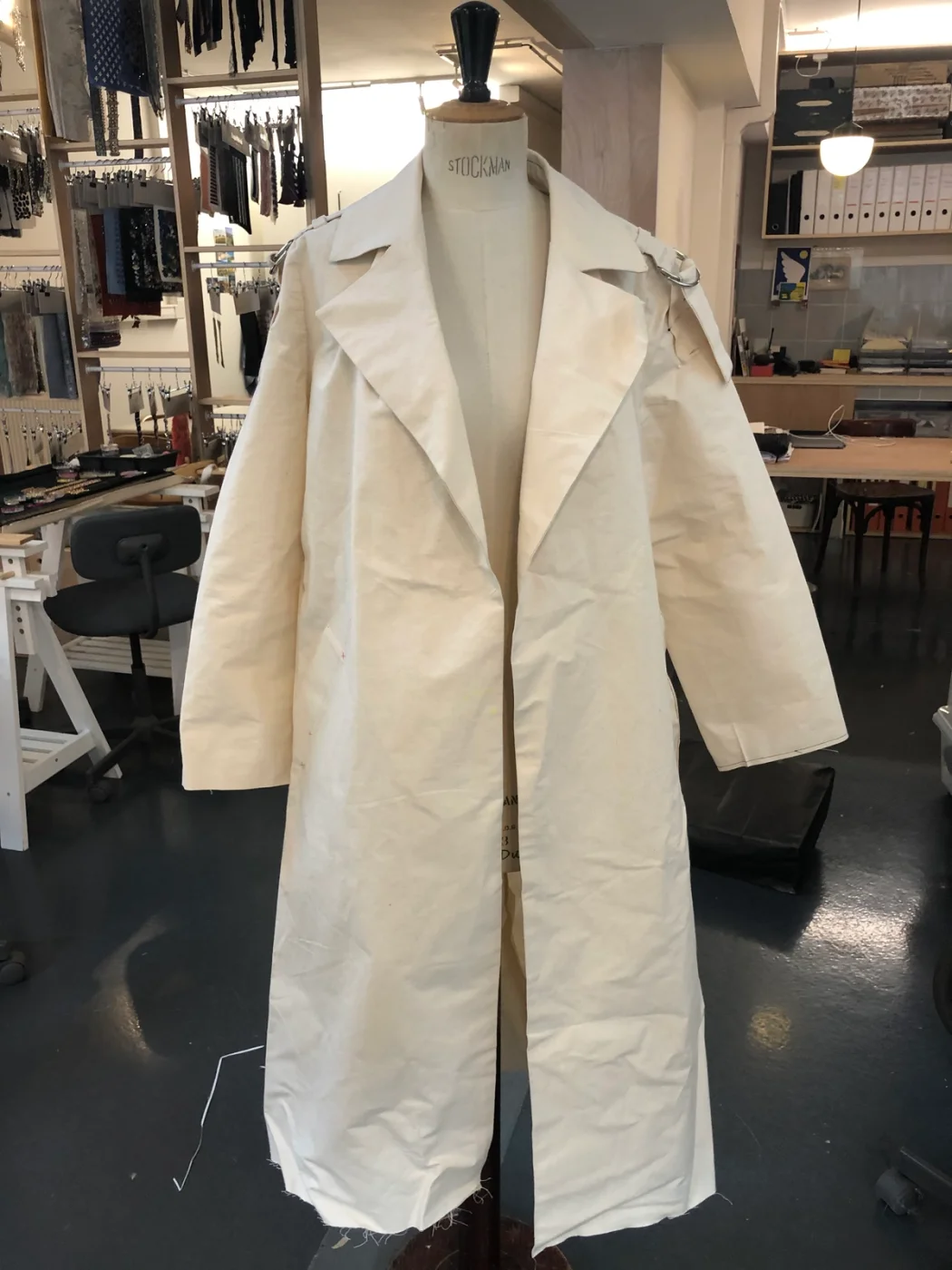
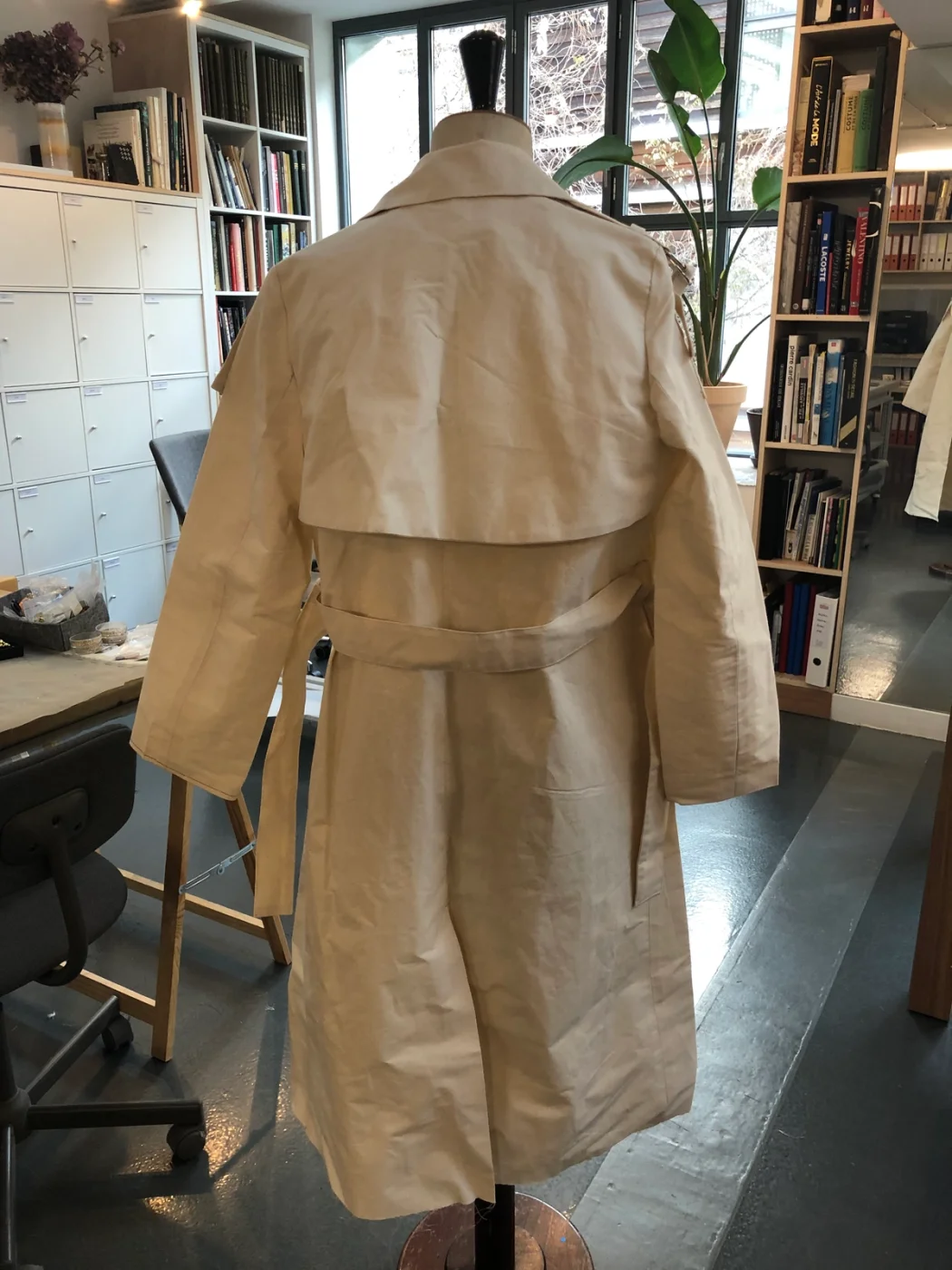
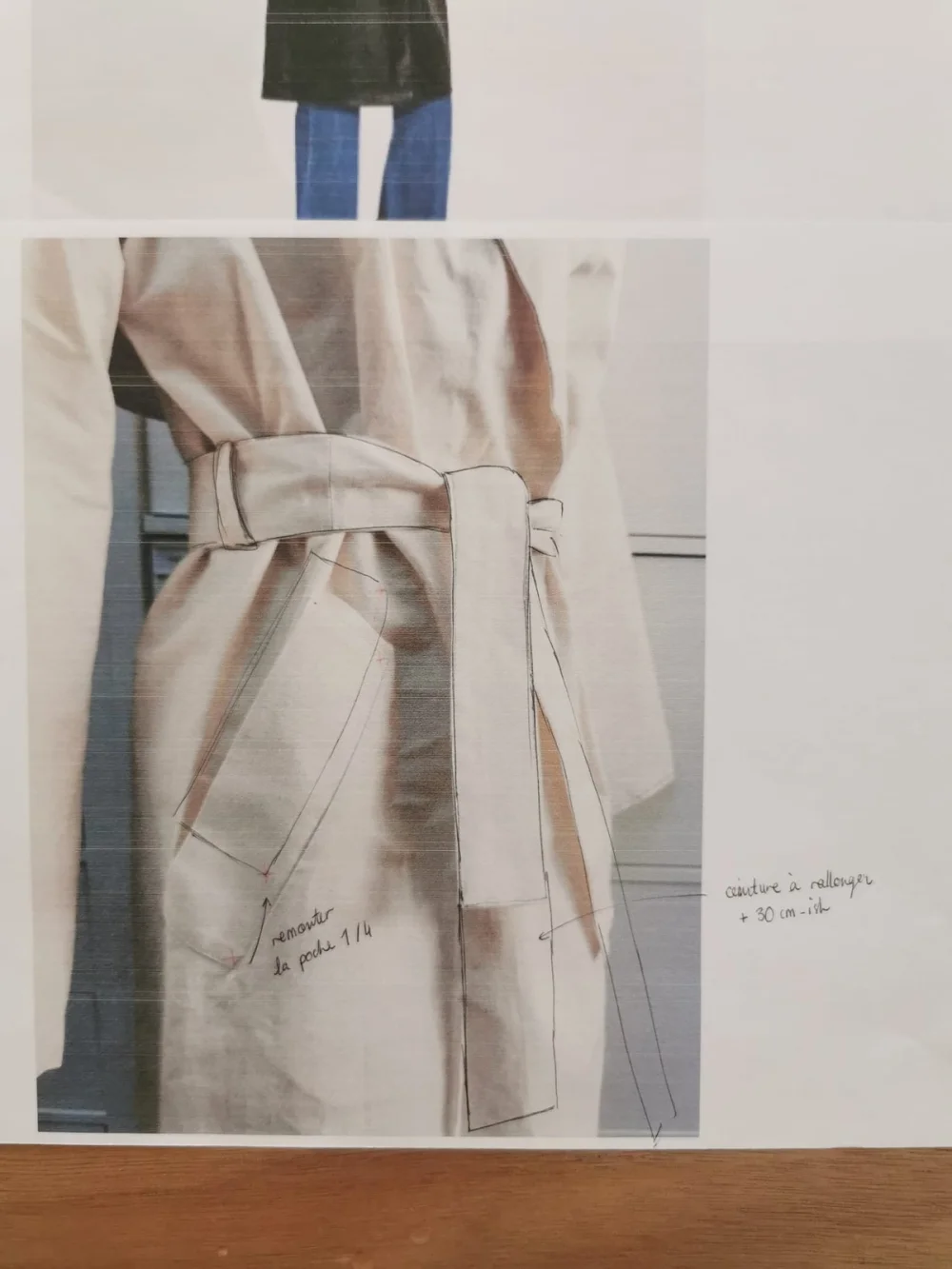
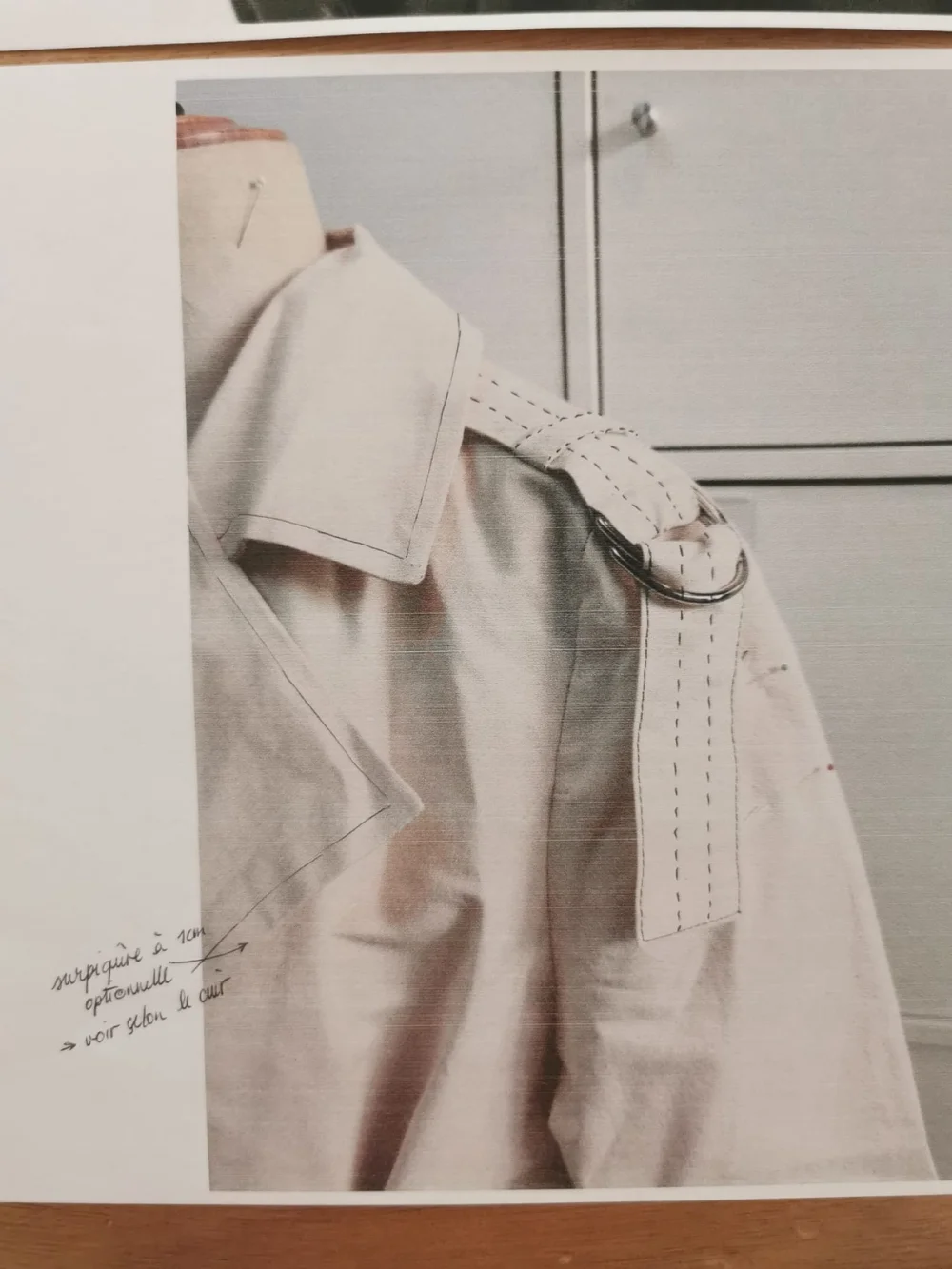

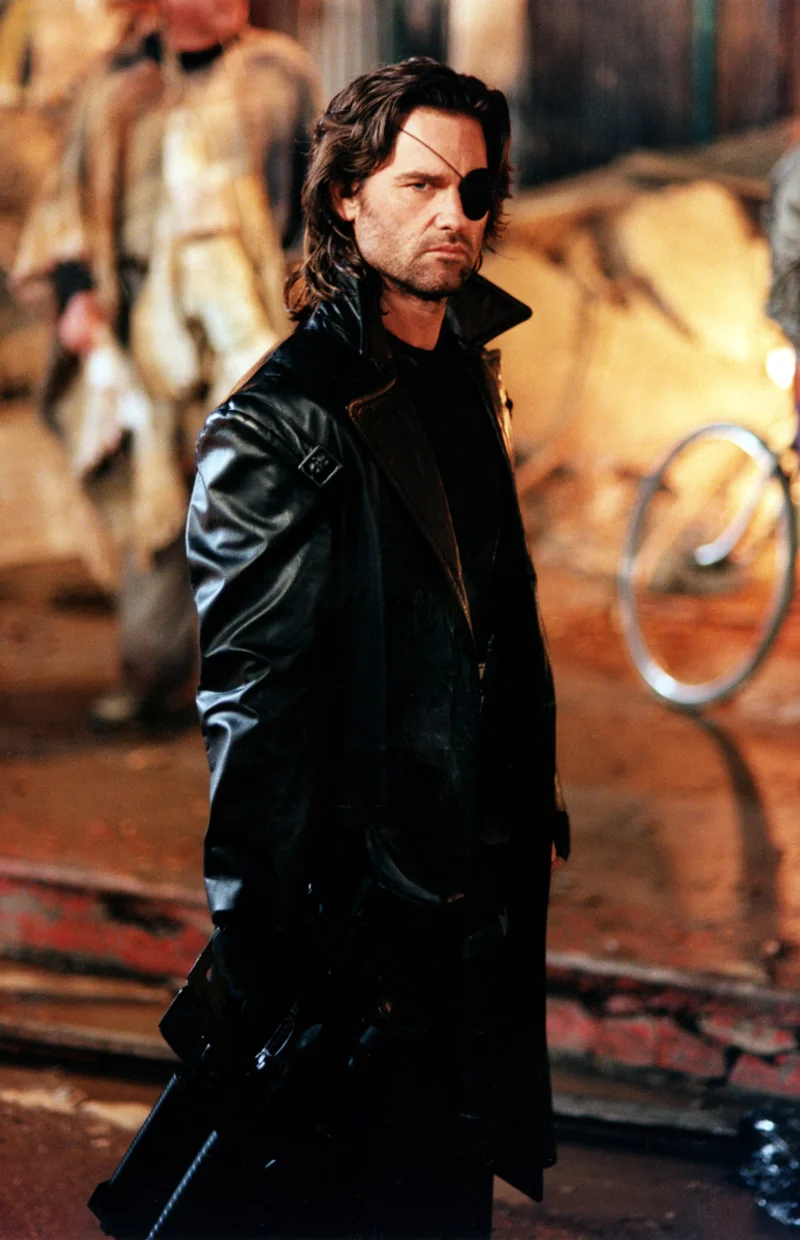
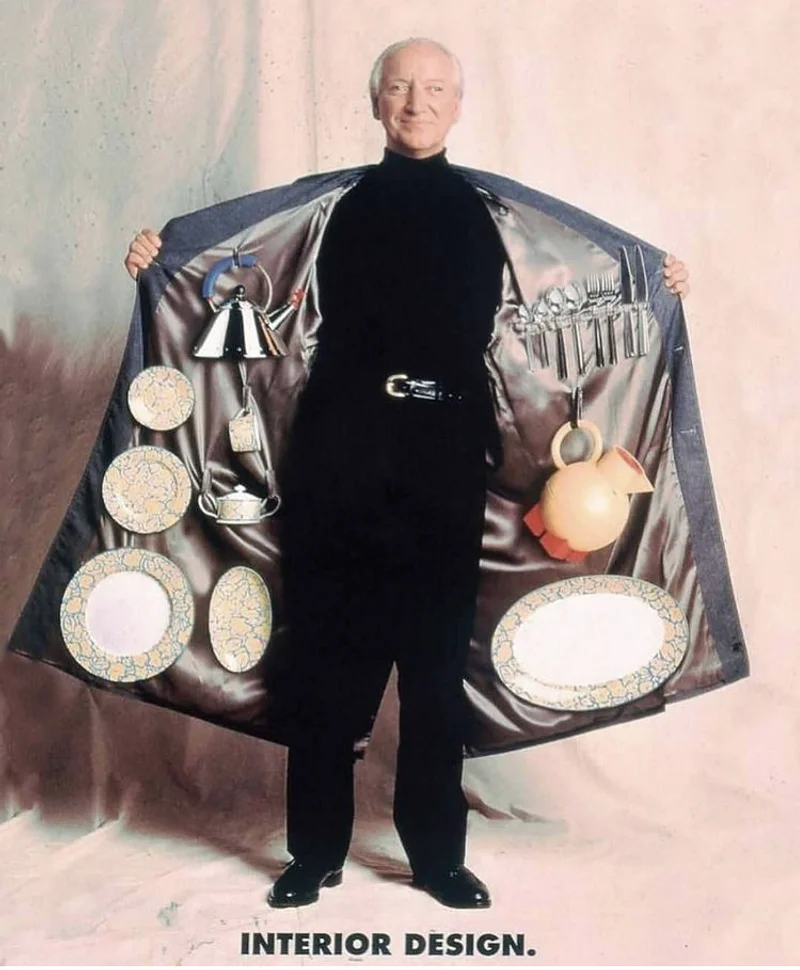
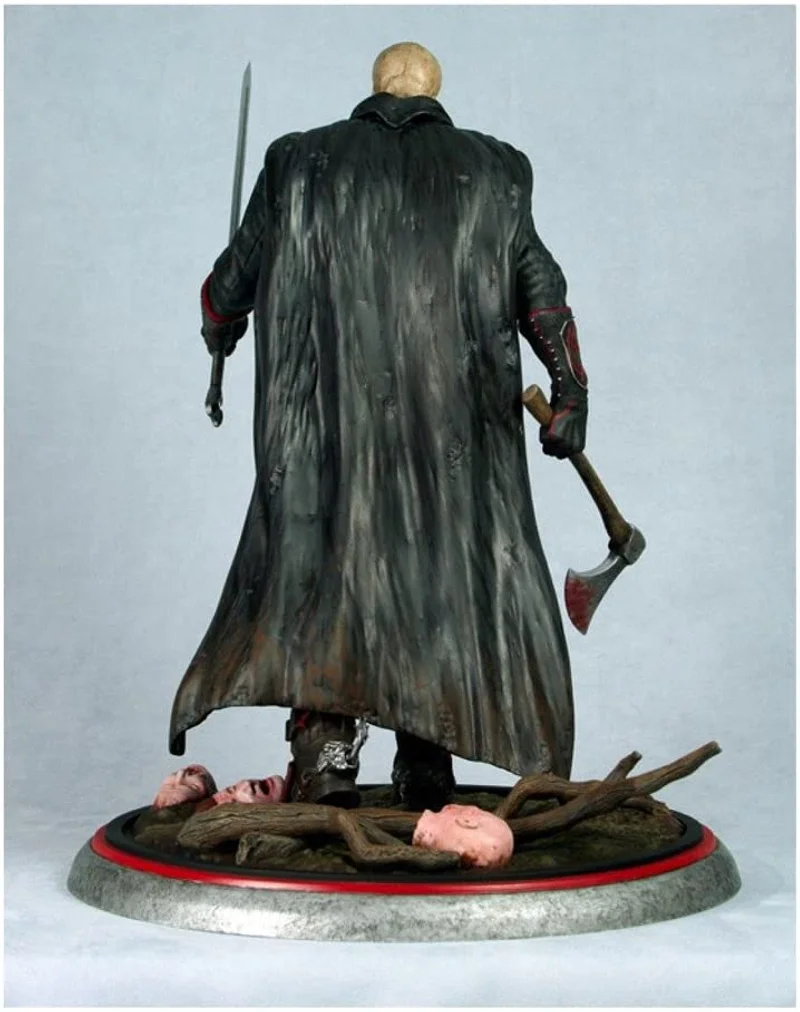
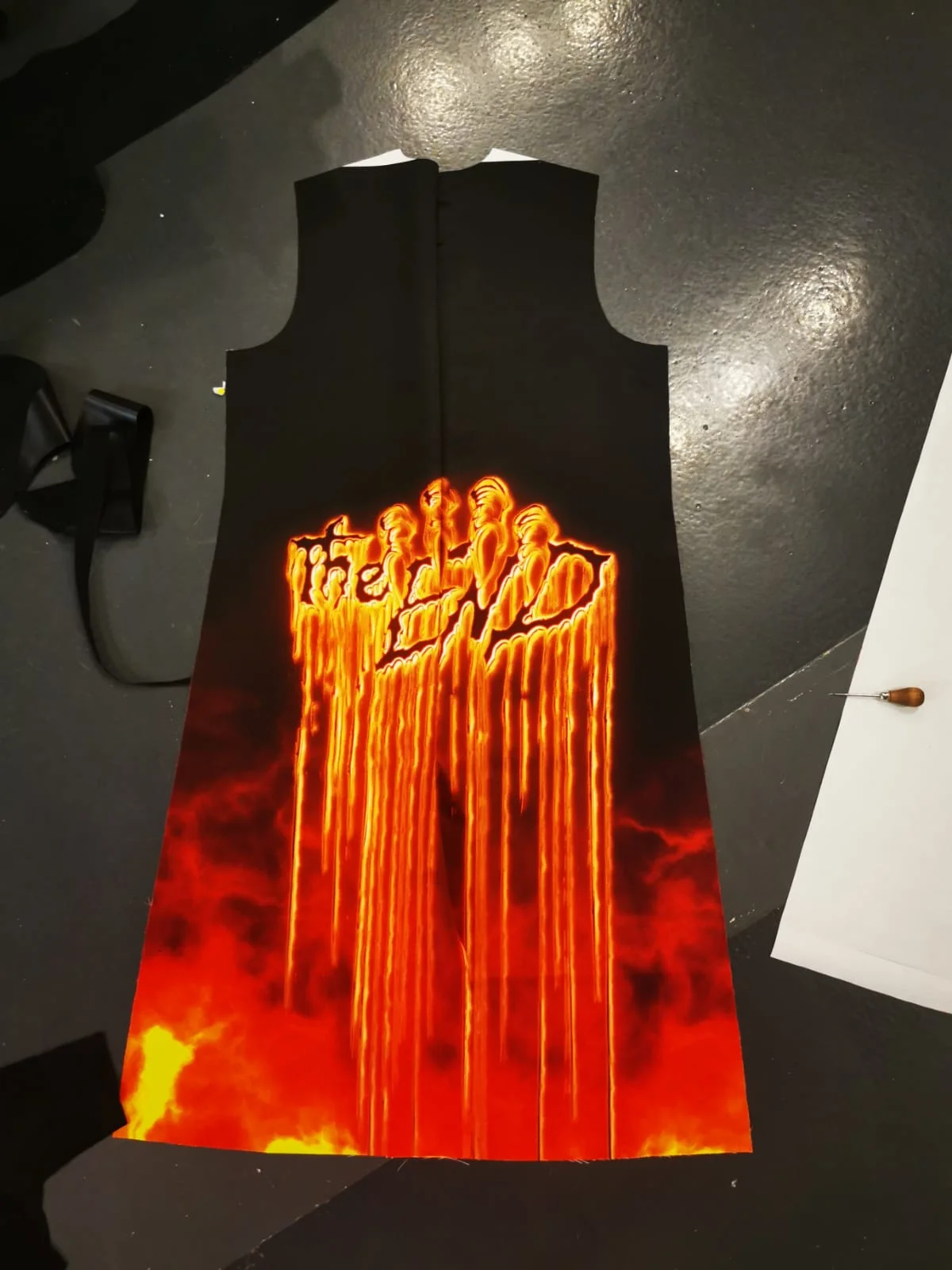
From the very beginning, it was important to include a printed lining inside the coat. The idea of attaching objects to the interior was also considered (and remains possible) but for the exhibition, it was chosen to suspend objects only on the outside.
The Totem

The works YWNWA Totem and Figurine Totem are directly inspired by traditional Shaolin training dummies. Their design evokes an immediately visible sense of danger. The forms, reminiscent of torture devices, gradually give way to a more ambient, pervasive threat.
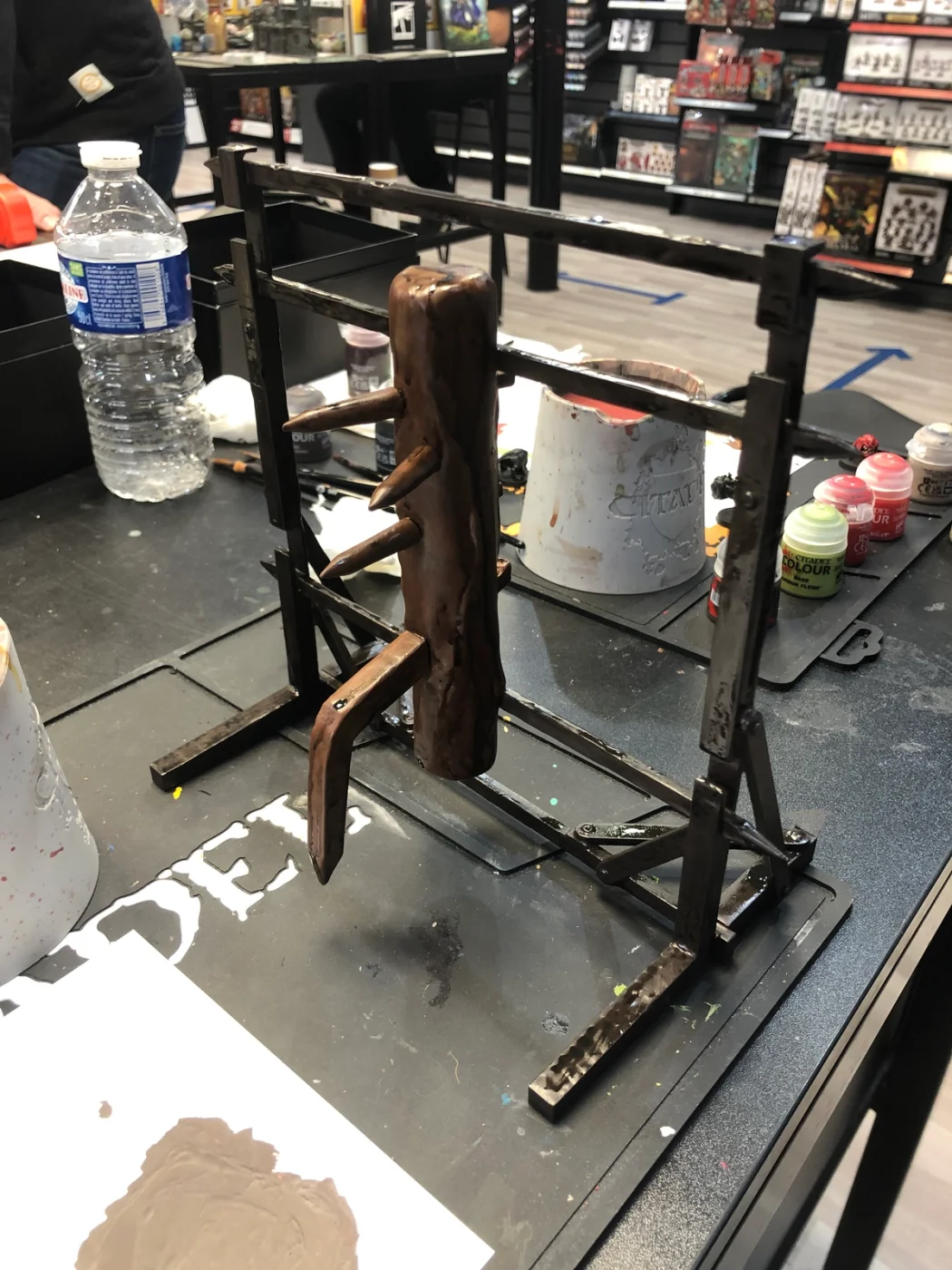
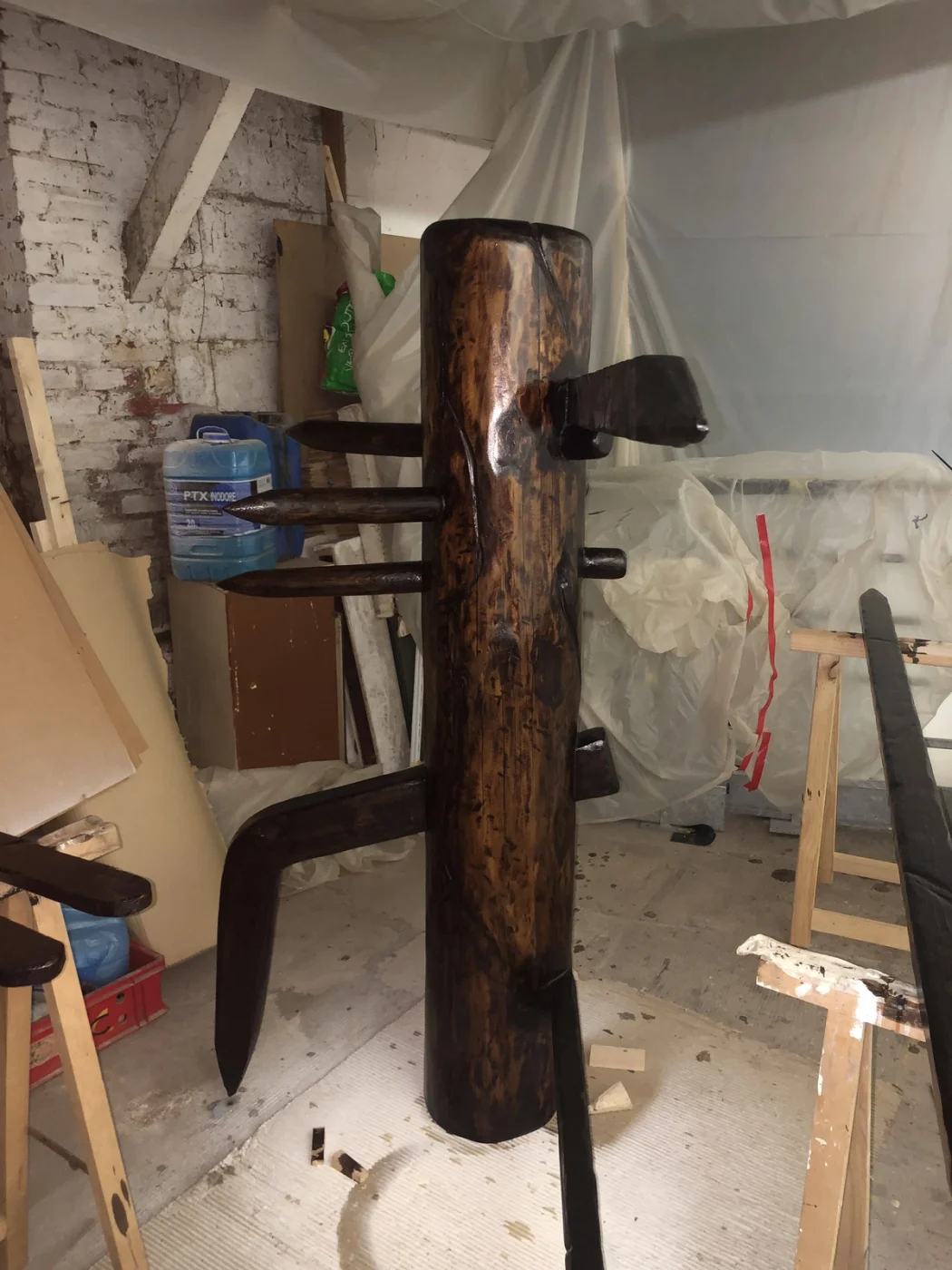
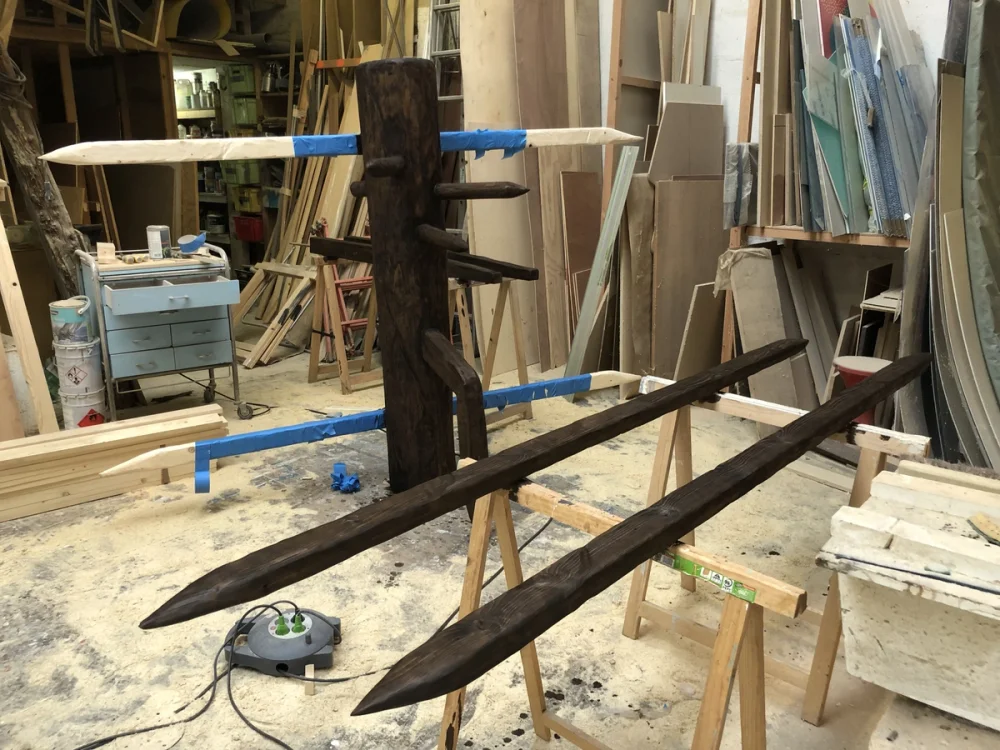
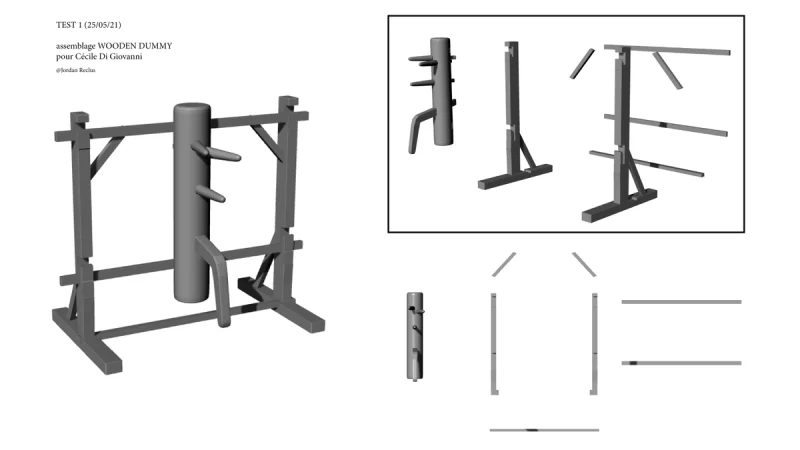
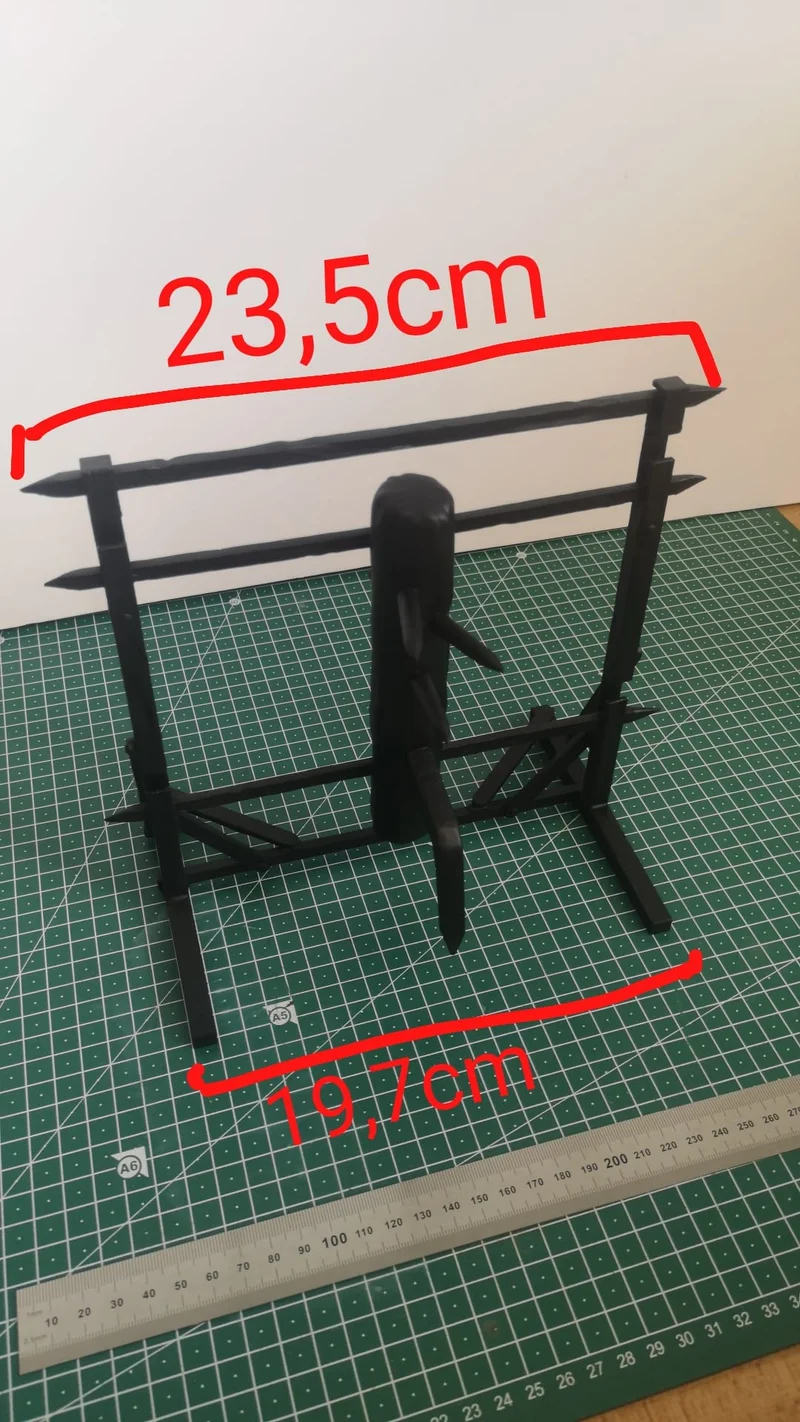
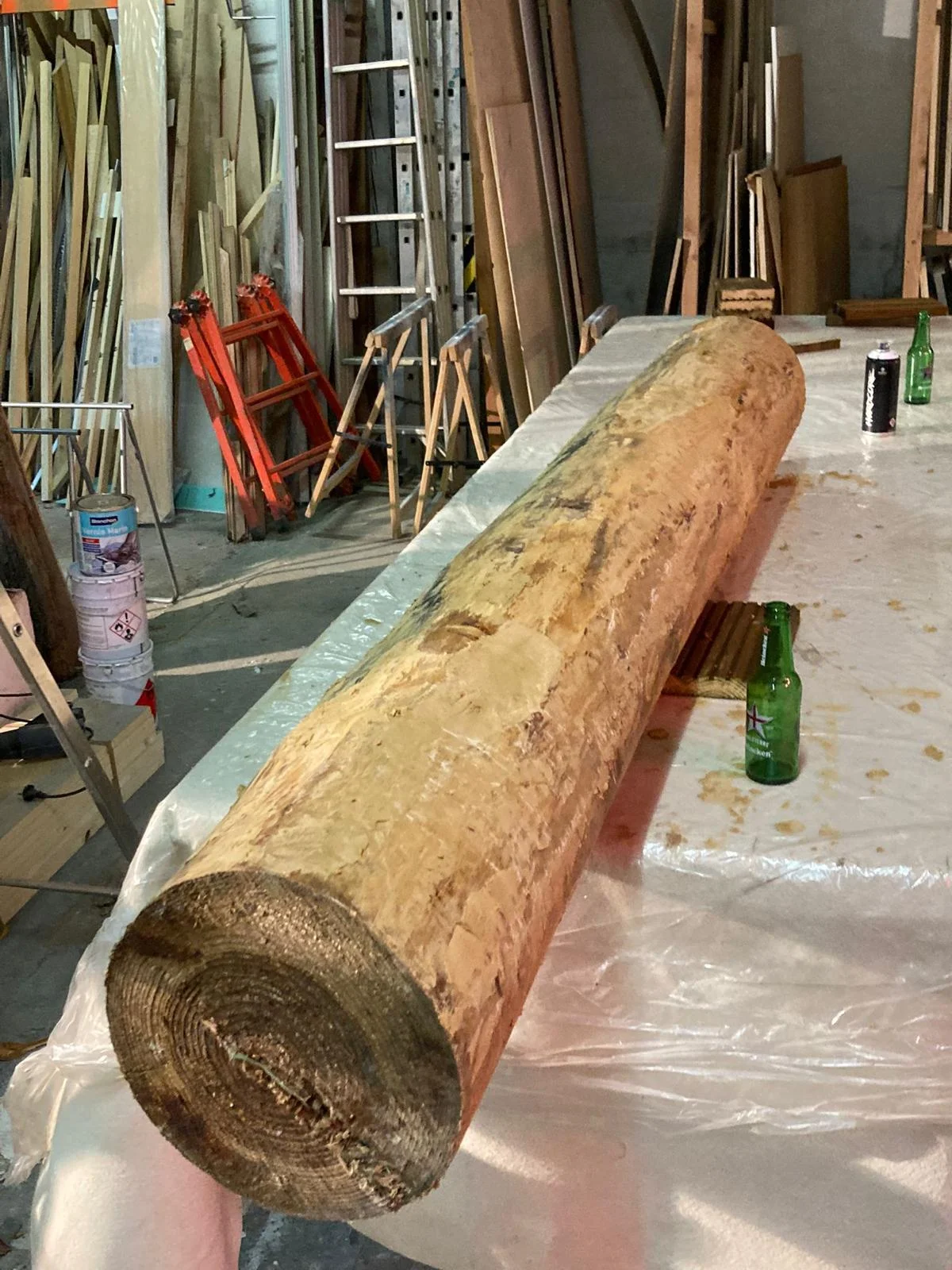
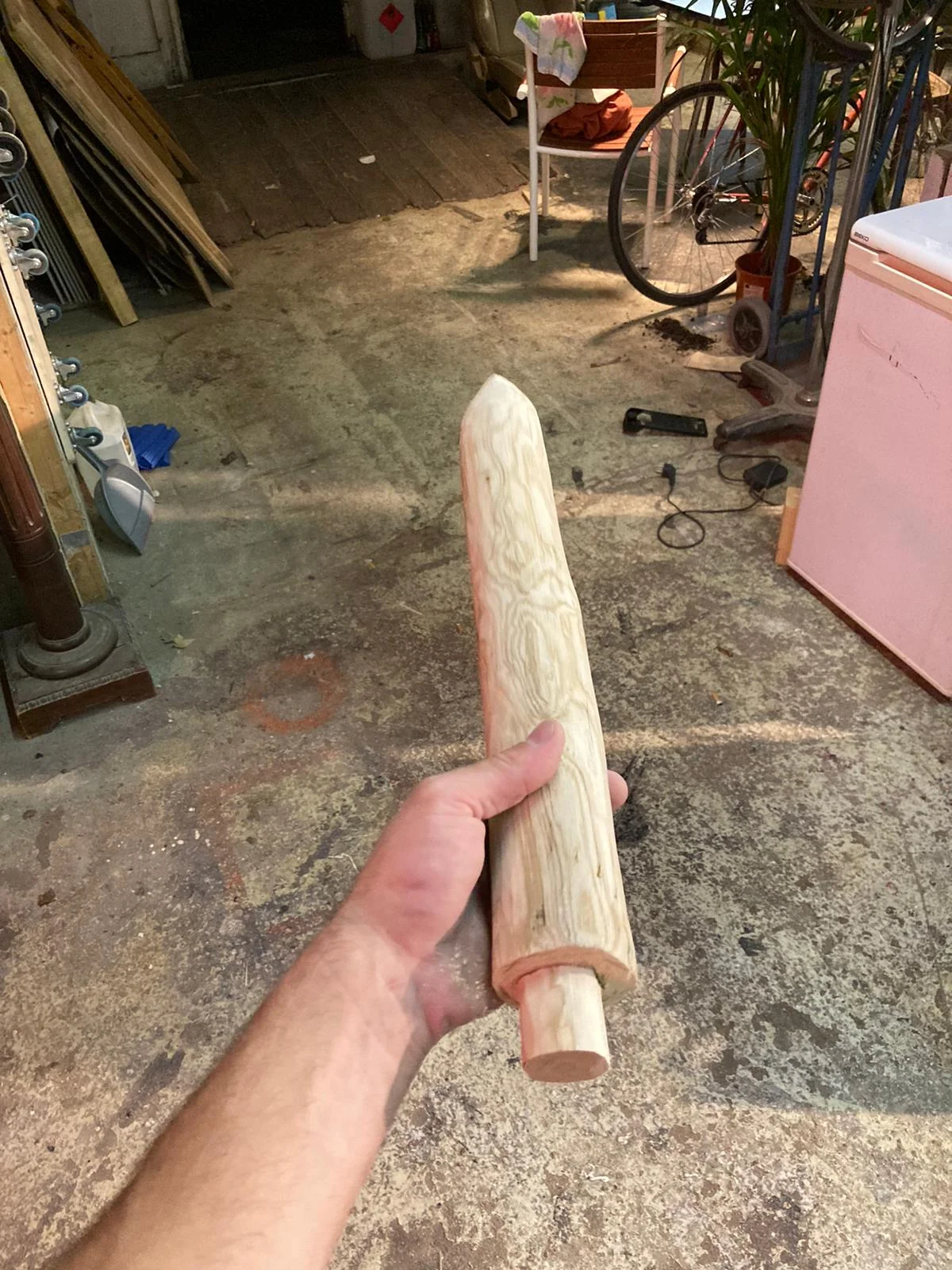
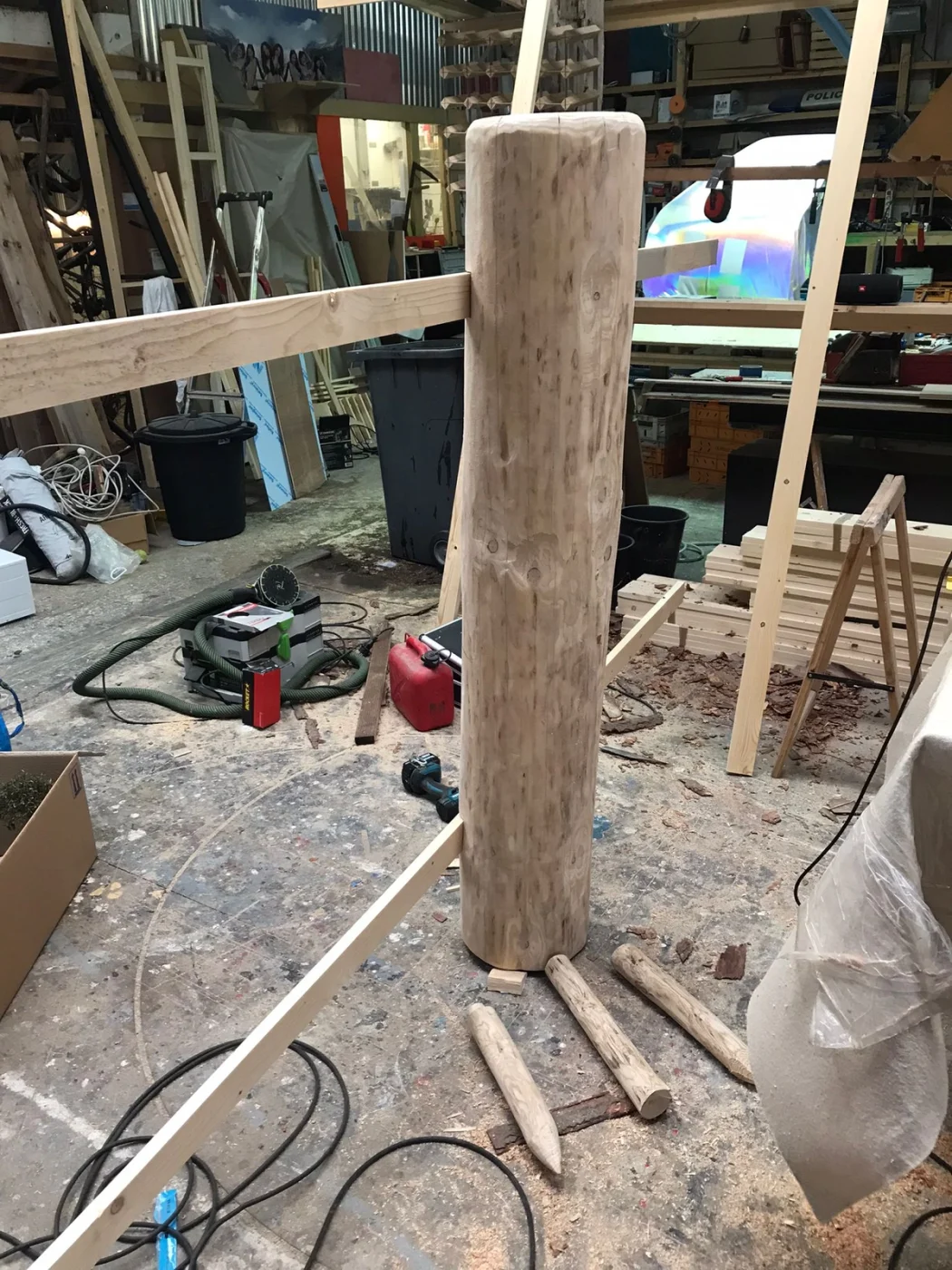
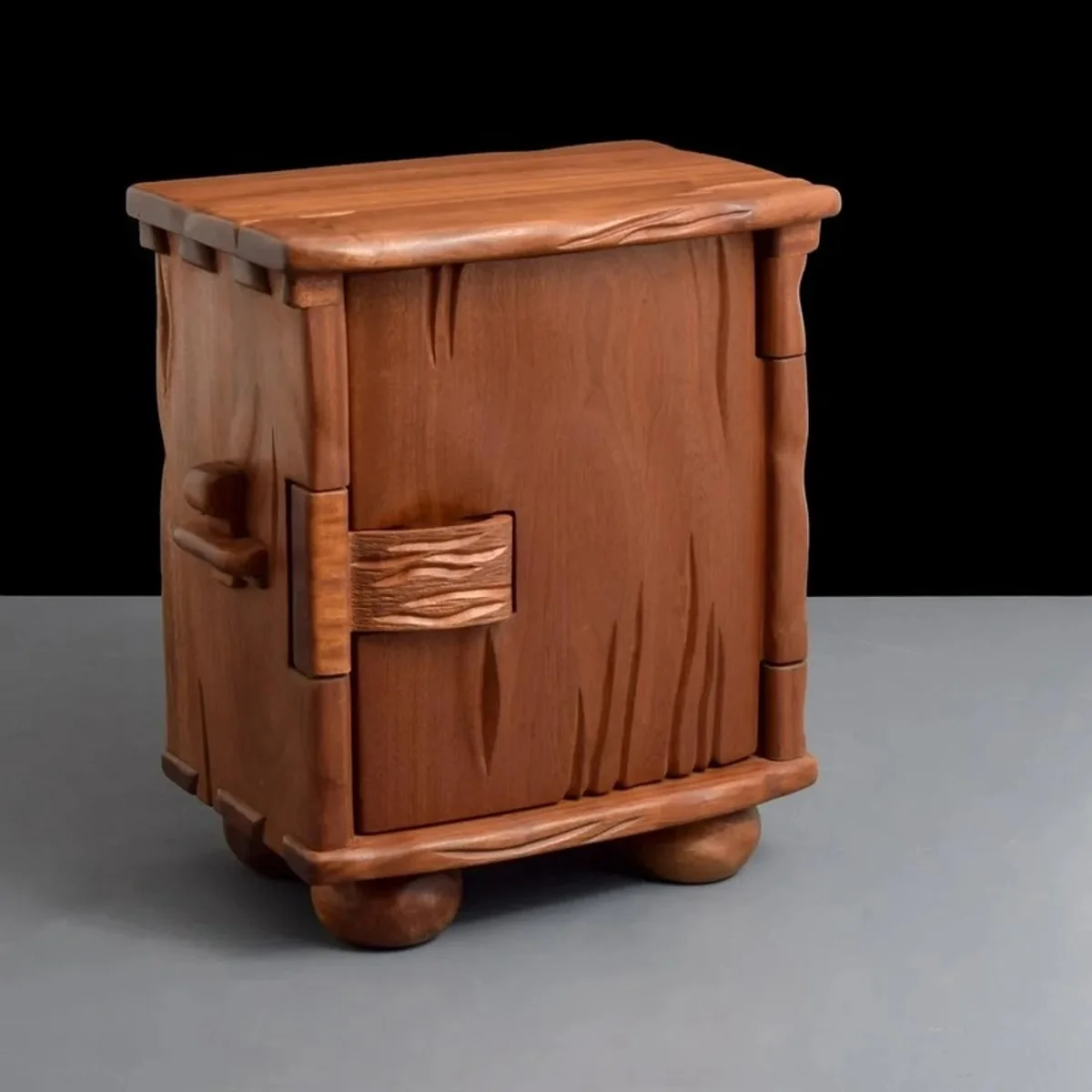
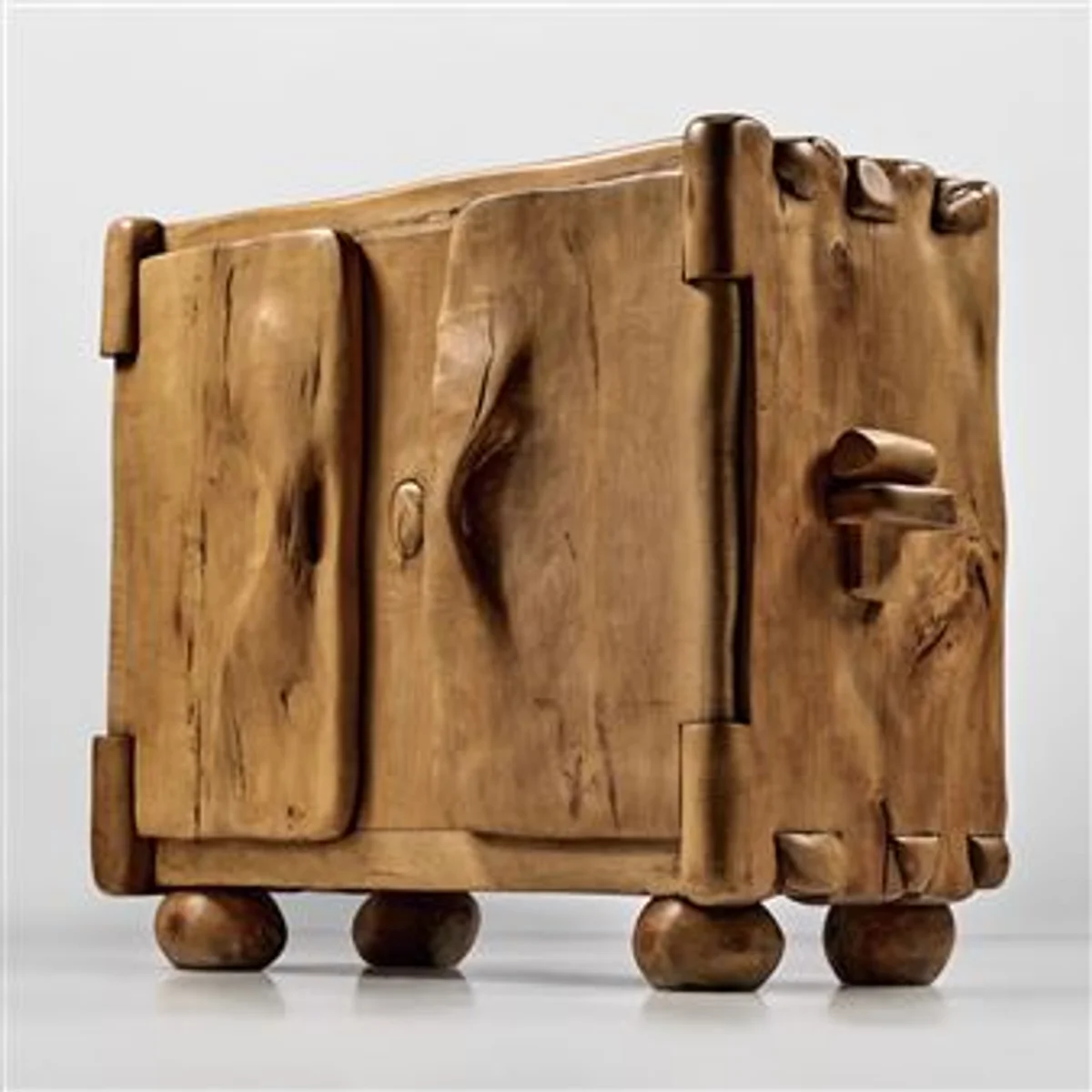
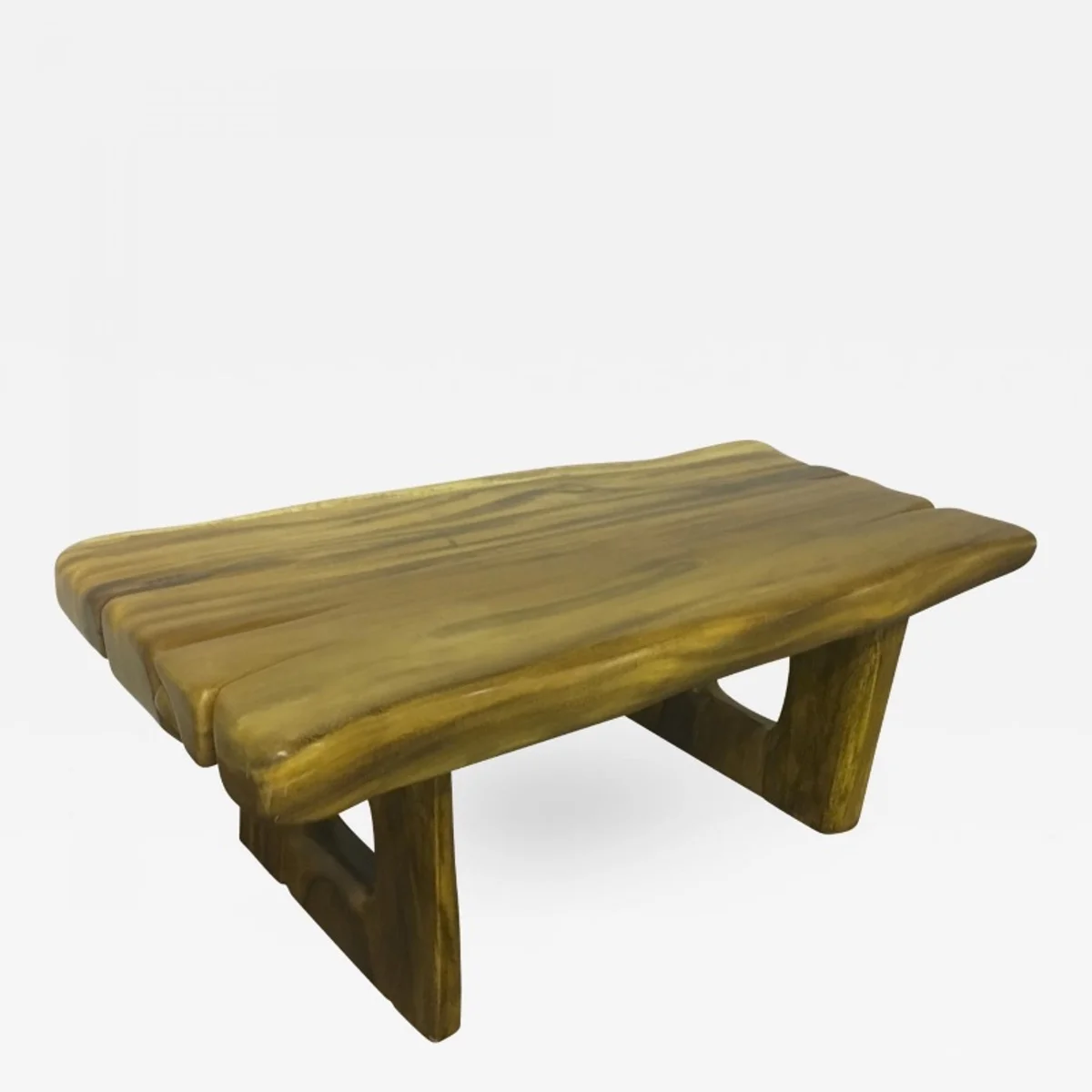
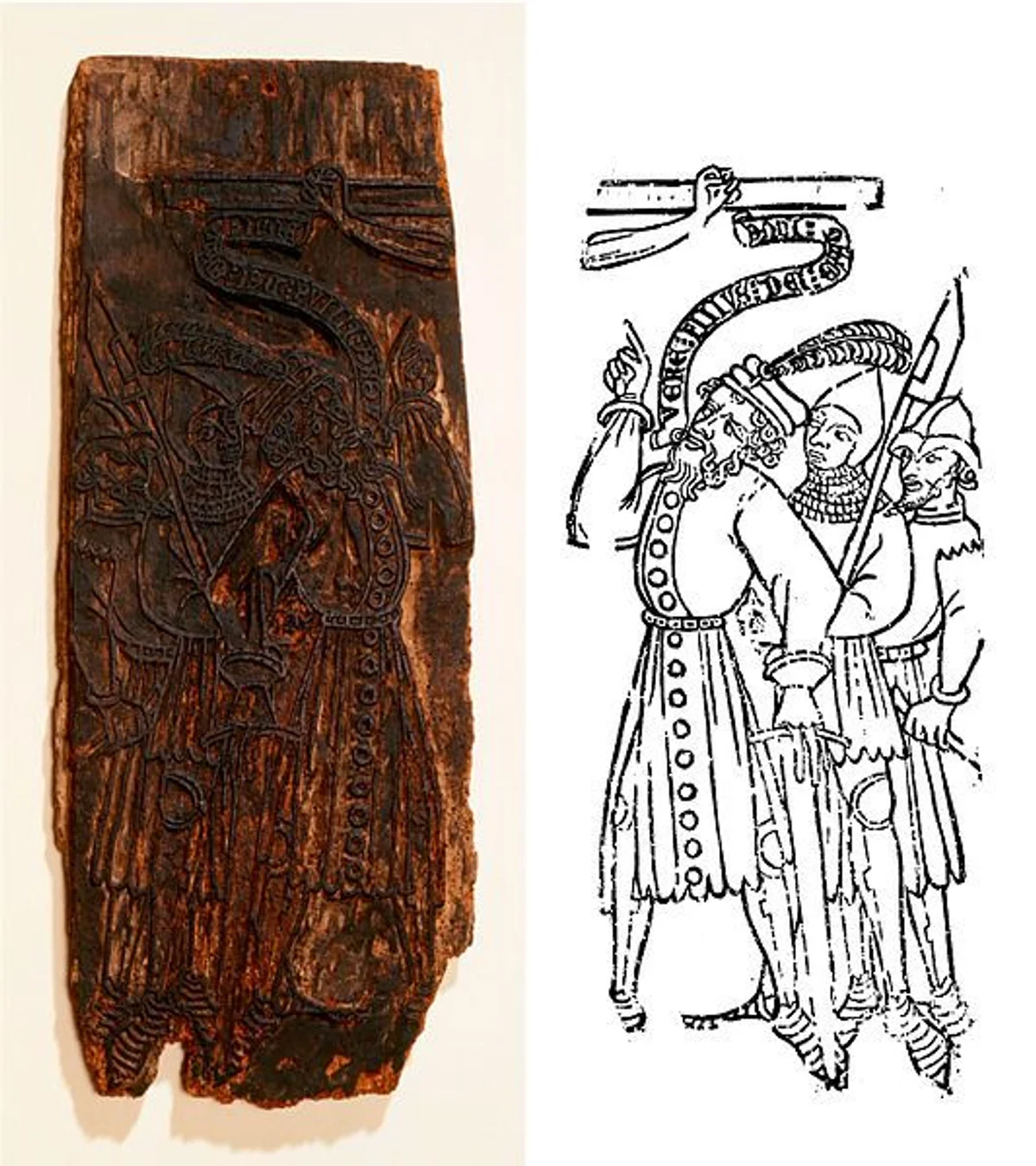
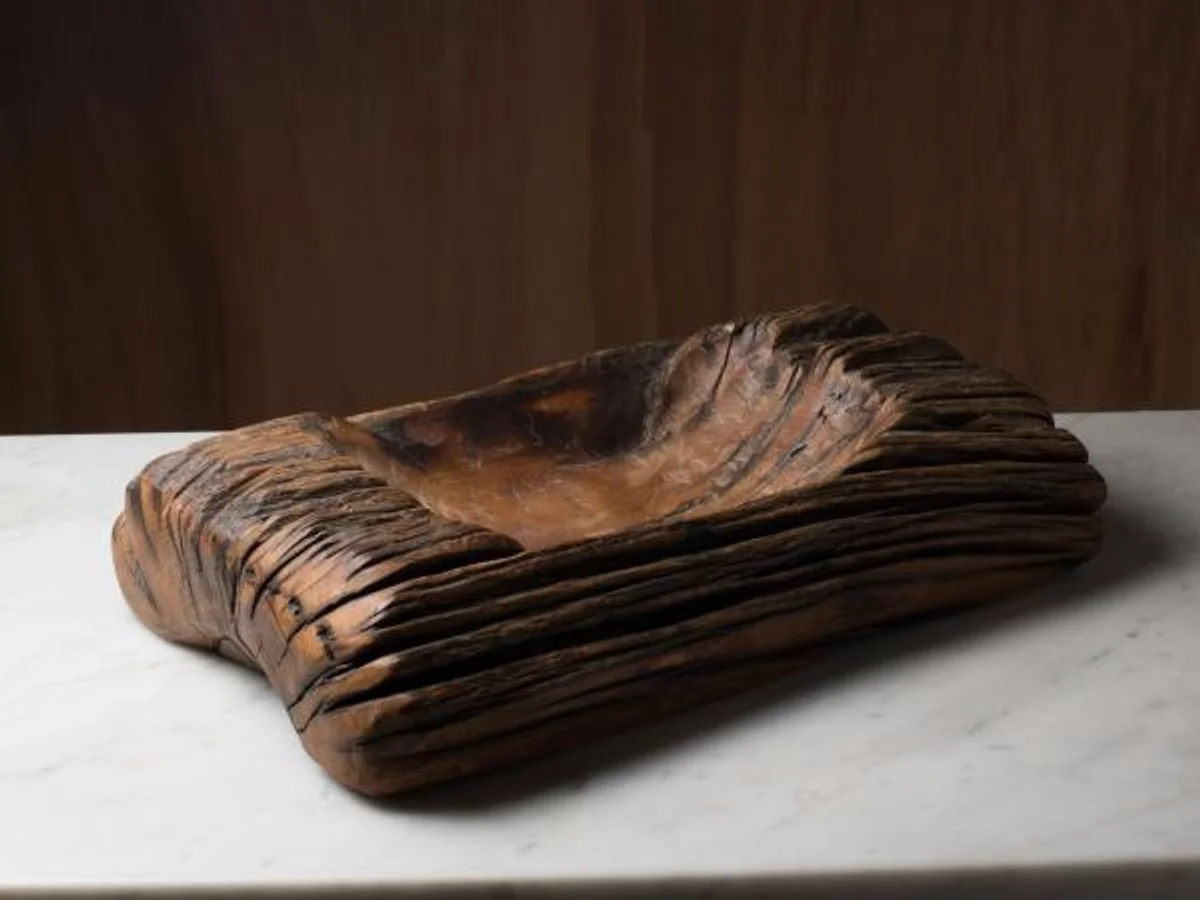
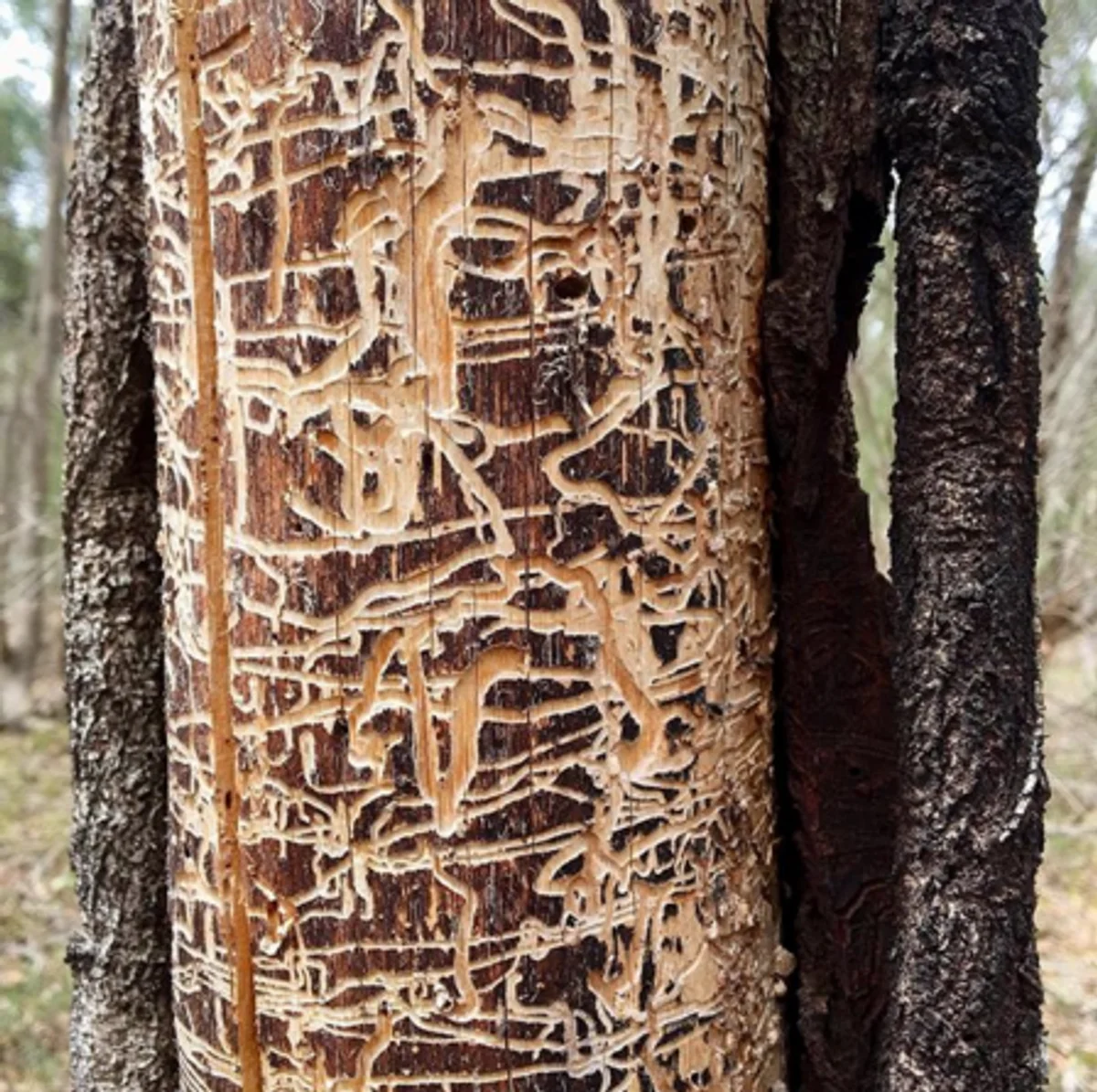
The totem figurine was first modeled and 3D printed, then painted, sanded, and varnished to achieve a deliberately plastic-like finish. The life-sized wooden totem was initially painted with a wash and then coated with varnish in an effort to echo the look of the 3D-printed miniature. Both the wood and the plastic were worked to reveal scratches and marks, drawing inspiration from a wide range of references, from the refined craftsmanship of Alexandre Noll to raw, hand-carved wooden objects etched with a blade.
The Final Curtain
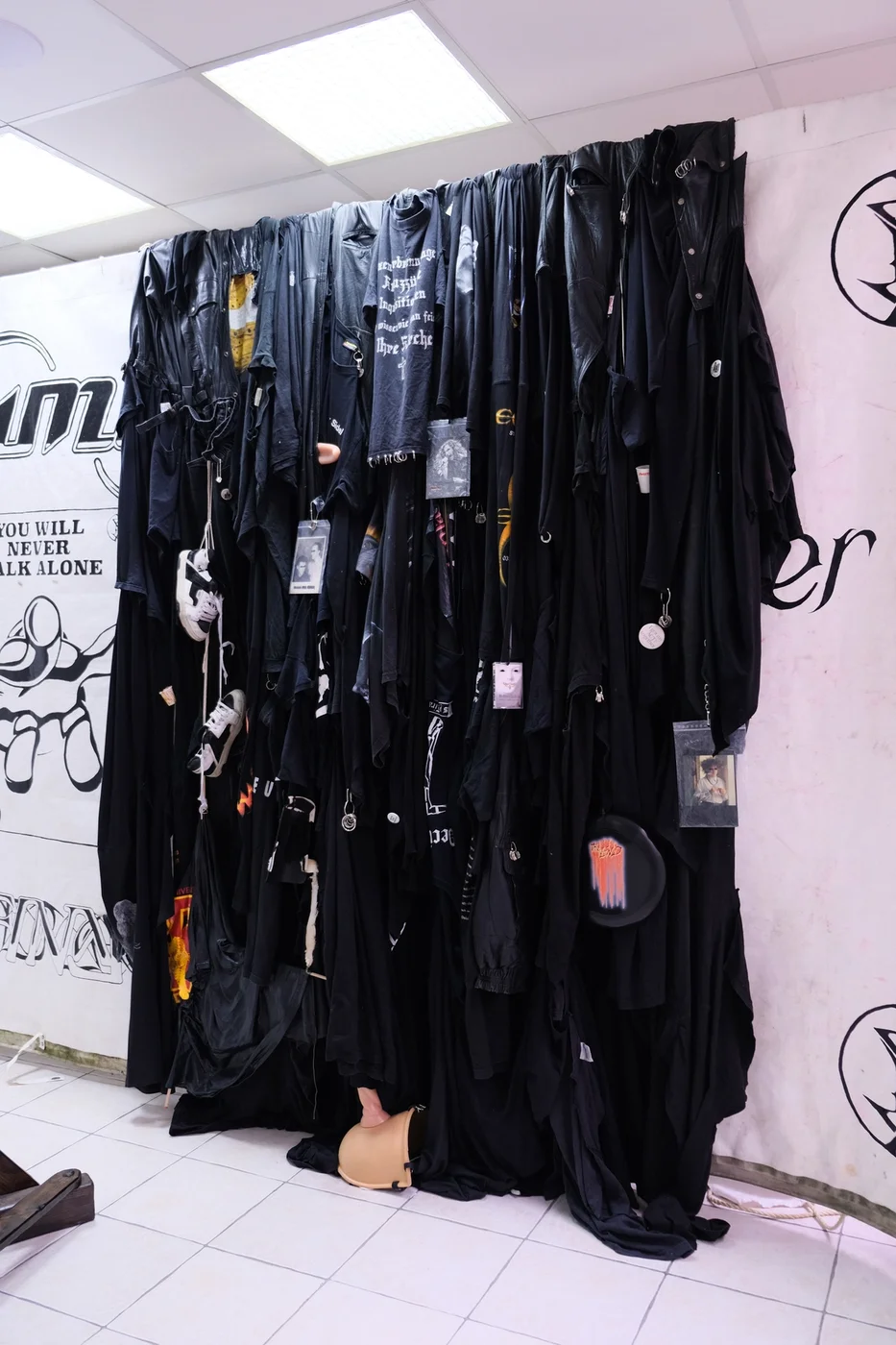
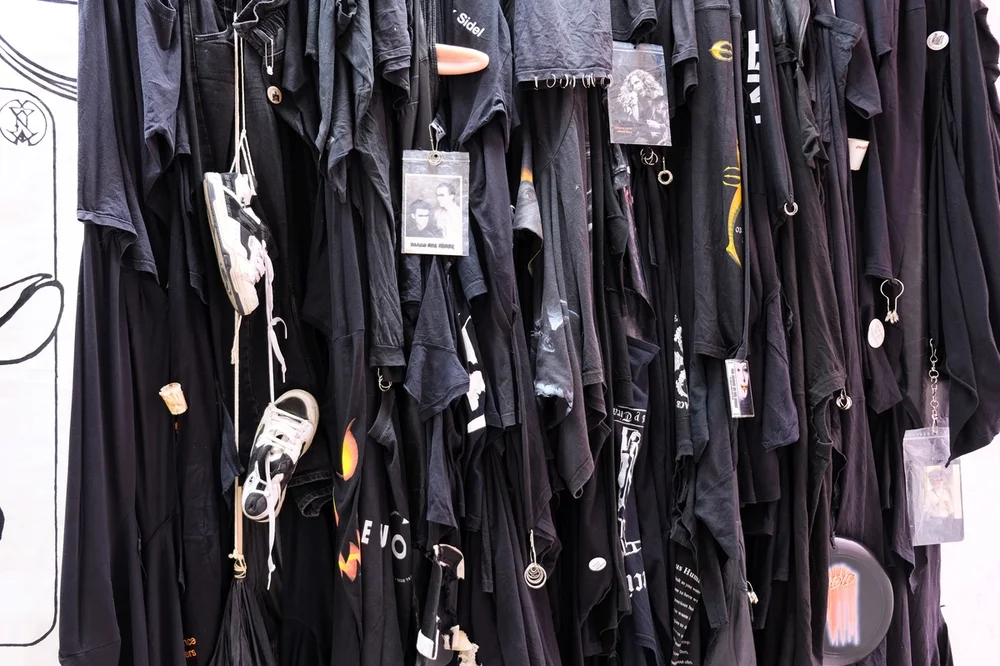
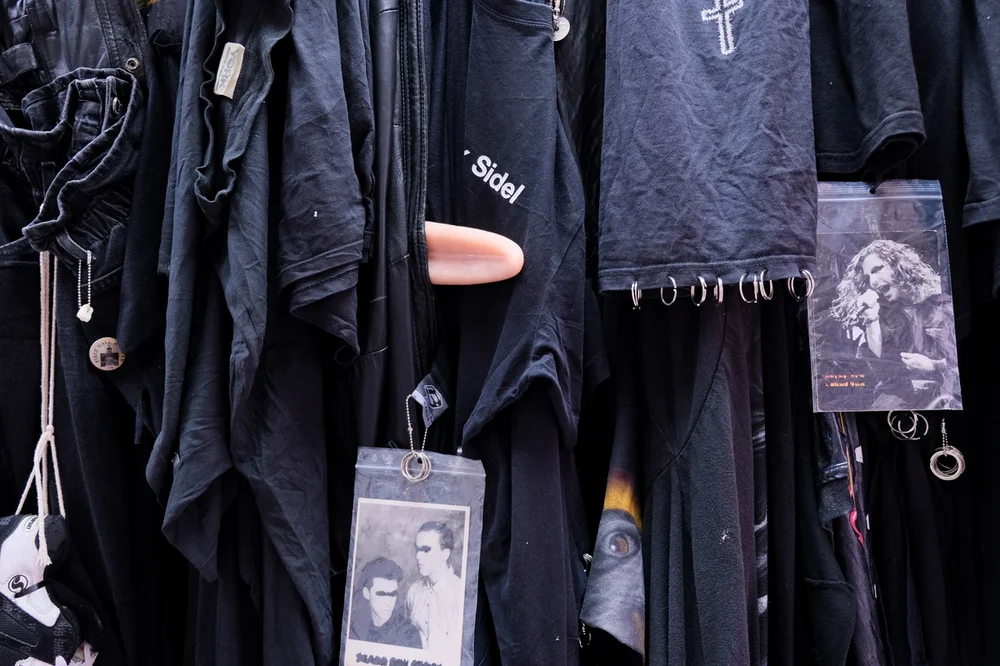
This curtain was conceived as a curtain of materials, resembling a reassembled “skin,” designed to be textured, almost rigid, and three-dimensional.
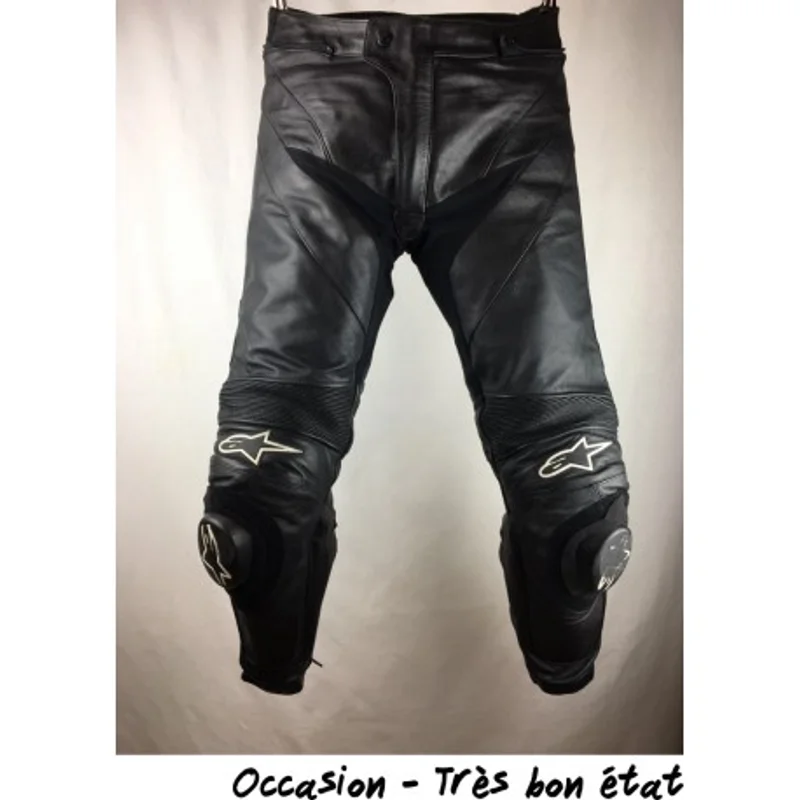
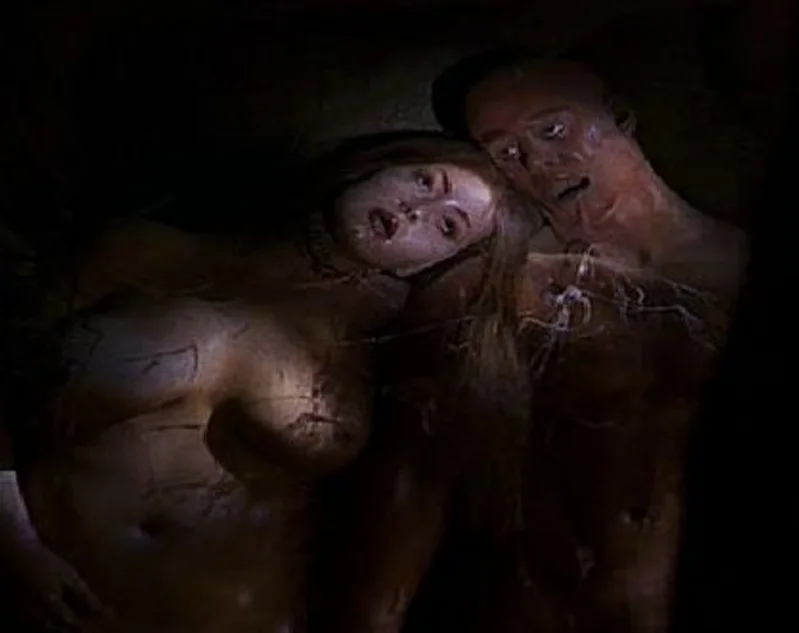
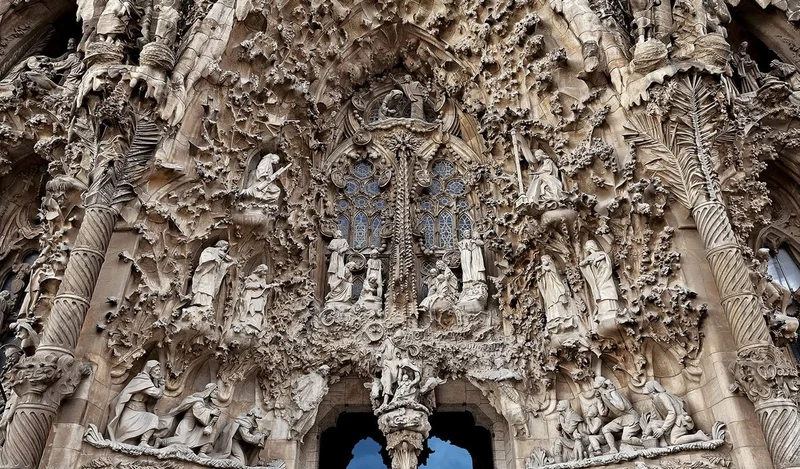
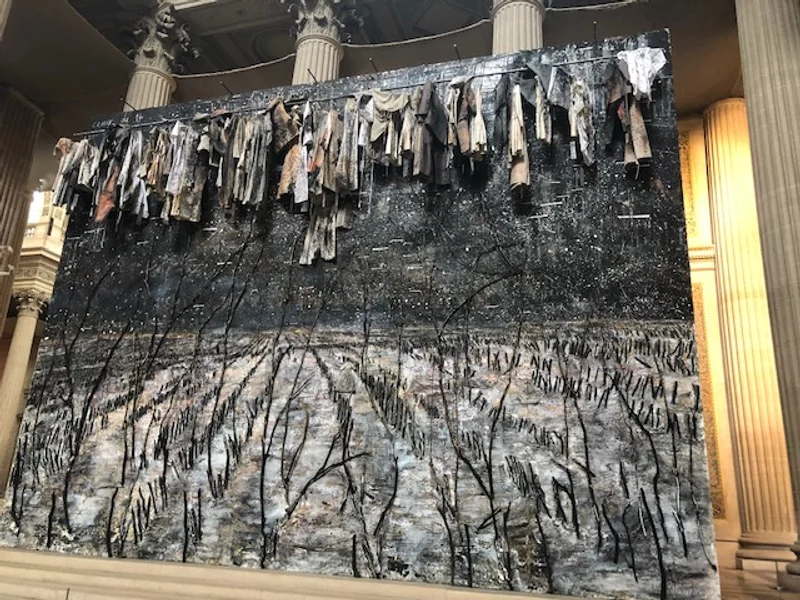
Other references
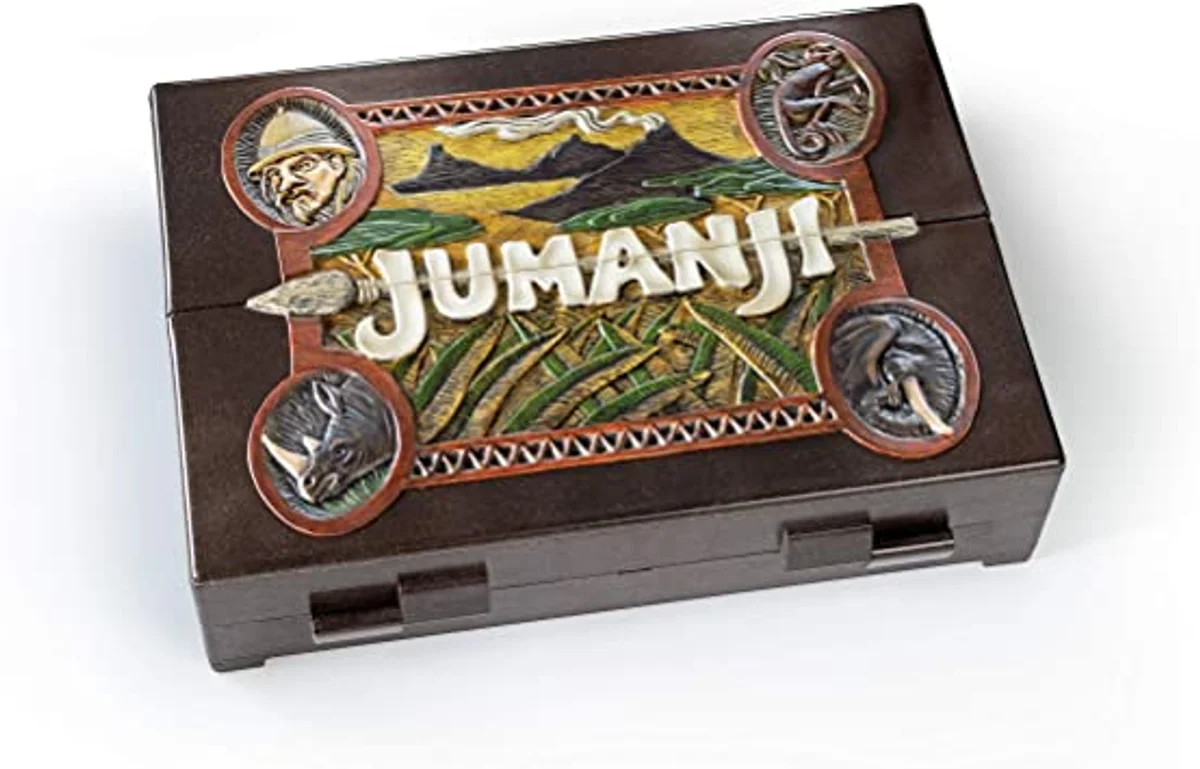
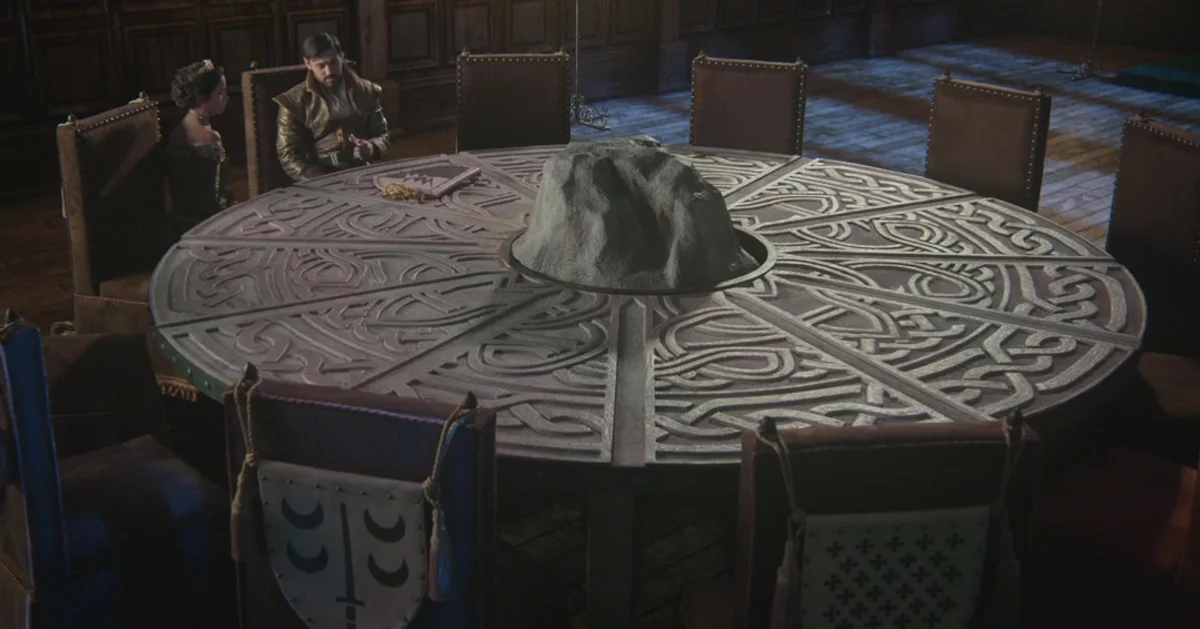
Exploring game boards is key, because in any game, the board is always the foundation, its structure, its visuals, its composition.
There was research into textures, particularly in working with wood, exploring its various aspects, from the rawest to the most plastic-like. I’m drawn to moments when wood begins to resemble plastic, when it looks fake even though it isn’t.